
A matcha lavender latte can become perfume-like with one extra syrup pump, especially when the tea itself is mild. Cafés should fix the matcha dose, test a restrained lavender level and verify that hot and iced versions still taste related. Cooking with a Wallflower’s latte uses a matcha-lavender powder with oat milk. A syrup-based café build is a different formula and needs its own measurements. Matcha Village’s sample service can support the tea comparison.
Contents
- 1. Which flavor should lead the cup?
- 2. Which lavender syrup is suitable for the menu?
- 3. How should matcha be selected and dosed?
- 4. What tasting matrix finds a restrained balance?
- 5. What is the hot latte build?
- 6. How should the iced build differ?
- 7. What can be prepared ahead?
- 8. How should ingredients and allergens be explained?
- 9. What is the cost per finished cup?
- 10. When is the drink ready for launch?
1. Which flavor should lead the cup?
Describe the first sip and finish
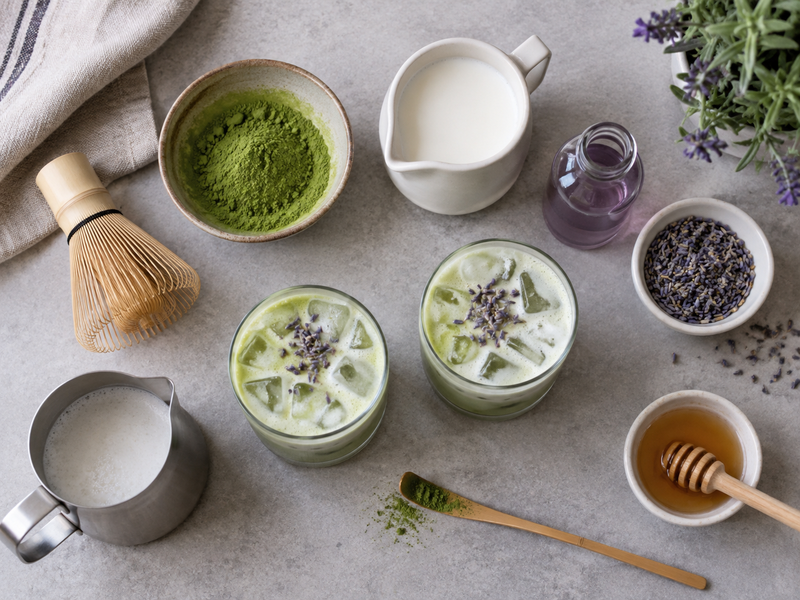
The tea should remain recognizable; lavender is usually a supporting aroma rather than the whole drink. Write a target such as “matcha first, light floral finish” and ask tasters to describe a blind sample. If they identify only sweet flowers, reduce syrup or select a matcha that holds up in milk. If the tea is bitter and lavender thin, adding more syrup may make the cup sweeter without making it balanced.
Taste in the intended cup and with the café’s standard milk. Oat, dairy and other plant drinks carry different sweetness and body. Compare the drink at handoff and after a normal table wait. A floral aroma can be vivid when hot and less clear when cold. The reference home recipe shows that the pairing can work, but a premixed powder is not evidence that any lavender syrup will behave the same way.
2. Which lavender syrup is suitable for the menu?
Start with an ingredient specification
Use a syrup sold for food and beverage use, with a current ingredient list and supplier handling instructions. “Lavender” on a fragrance or craft product does not make it appropriate for a drink. Commercial syrups vary in floral intensity, sugar and acidity. Taste candidates diluted in the café’s milk, not neat from the bottle. A homemade syrup creates a separate preparation, labeling and storage task under the operation’s plan.
Measure pump output if using a pump. One full pump from two devices may deliver different volumes, and a tiny excess can make the drink taste soapy. Weigh or measure two restrained syrup levels in identical cups. Do not compensate for an overly strong syrup by increasing the milk until the matcha becomes faint. Choose the syrup whose aroma works at a dose staff can dispense accurately during rush service.
| Syrup check | What to obtain | Why |
|---|---|---|
| Food use | Current product document | Appropriate ingredient |
| Sweetness | Label or specification | Recipe balance |
| Pump output | Measured volume | Repeatability |
| Opened handling | Supplier instruction | Station procedure |
3. How should matcha be selected and dosed?
Test tea in the complete latte
Sift and disperse matcha using the café’s normal method. Sample candidate powders in the milk and syrup combination at an equal tea weight. A matcha with a subtle floral aroma in water may disappear under lavender. Another may give a bitter edge that the syrup amplifies. Taste immediately and as the cup cools or ice melts. A vivid green color does not guarantee a clear tea flavor.
Record grams per cup, supplier item and lot. Matcha Village’s company materials describe matcha supply and sample support, but any specific grade or origin claim should come from the current product documentation. If a tea change requires a different dose, compare cost per finished cup rather than powder price alone. Keep the chosen matcha fixed while testing syrup levels so the tasting results can be understood.
4. What tasting matrix finds a restrained balance?
Change one ingredient at a time
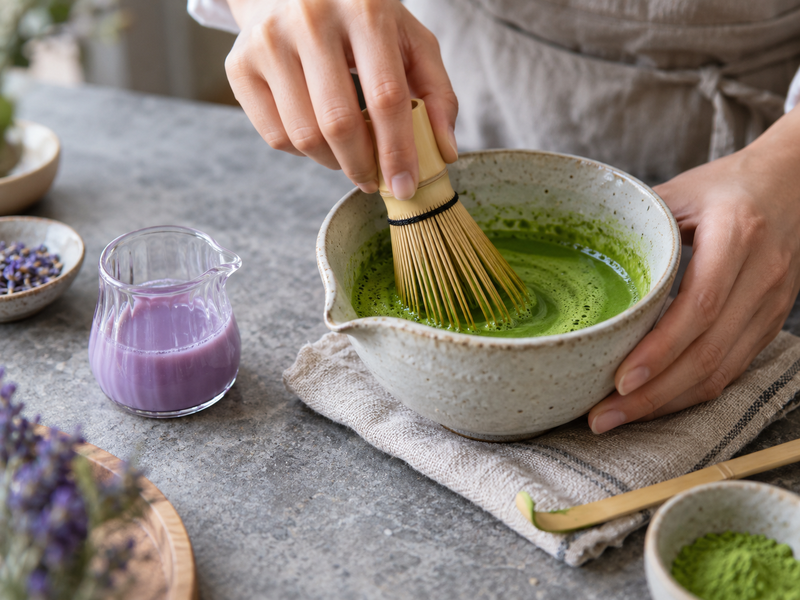
Begin with the café’s standard matcha latte as a control. Keep tea, milk and cup size fixed, then compare a low and medium lavender syrup dose. Ask tasters whether matcha remains clear, whether the floral note is pleasant and whether the finish tastes sweet or perfumed. Pick the better level before trying a different milk or sweetness. A blind code can prevent staff from preferring the prettiest cup.
Taste both hot and iced candidates separately. Syrup can seem stronger in a warm drink because of aroma and weaker in a very cold one; ice also dilutes the base. Record amounts by weight or verified pump volume, along with tea and milk. A recipe written as “one splash of lavender” cannot be taught reliably. Keep short notes from several tasters rather than forcing consensus from one person’s preferred sweetness.
| Trial | Matcha | Syrup | Question |
|---|---|---|---|
| Control | Fixed | None | Is tea base sound? |
| Low floral | Fixed | Low | Is lavender detectable? |
| Medium floral | Fixed | Higher | Does it hide matcha? |
| Chosen dose | Fixed | Fixed | Does it survive service? |
5. What is the hot latte build?
Protect the tea and the milk texture
Prepare a smooth matcha concentrate, measure lavender syrup and heat the milk according to the café’s standard latte method. Combine in a tested order so syrup does not sit at the bottom. Do not overheat the milk to compensate for a cold syrup bottle; that can change milk flavor and foam. Use the intended cup and check fill and appearance. A very thick foam layer may carry the floral aroma but leave the tea less obvious in the first sip.
Serve a hot sample immediately and after several minutes. As it cools, sweetness and bitterness may become more noticeable. If the top is dusted with matcha or dried lavender, test how it looks and tastes; loose plant material can be unpleasant to drink and complicate ingredient disclosure. A clean latte with a measured floral syrup may need no garnish. Record the approved milk temperature approach, build order and final cup weight.
Compare the same recipe in a ceramic dine-in cup and a lidded takeaway cup. The lid can concentrate floral aroma at the drinking opening, making lavender seem stronger even though the syrup dose has not changed. Ask tasters to take the first sip through the lid and again after removing it. If the takeaway cup tastes perfumed, adjust the build for that service format or choose a lid with a better drinking experience. Keep the matcha dose fixed during this comparison. Otherwise a tea change could be mistaken for a packaging effect.
6. How should the iced build differ?
Count the ice and mixing step
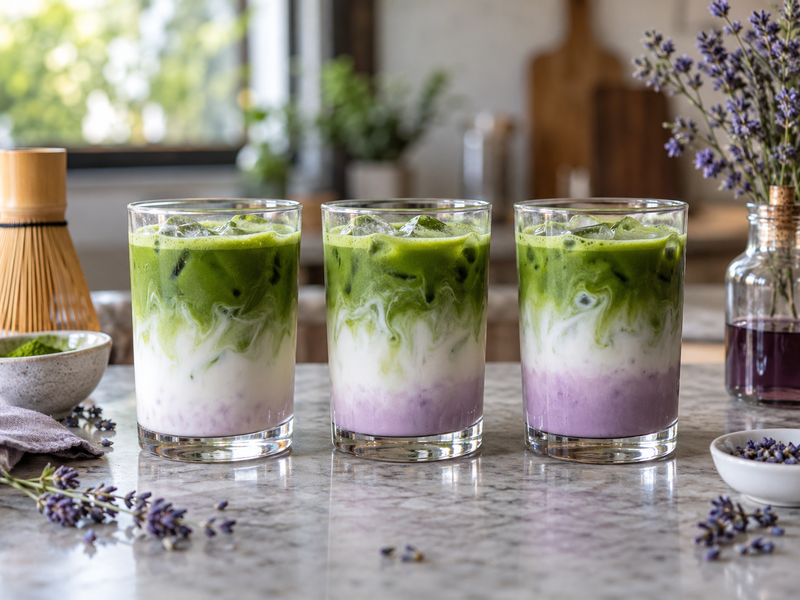
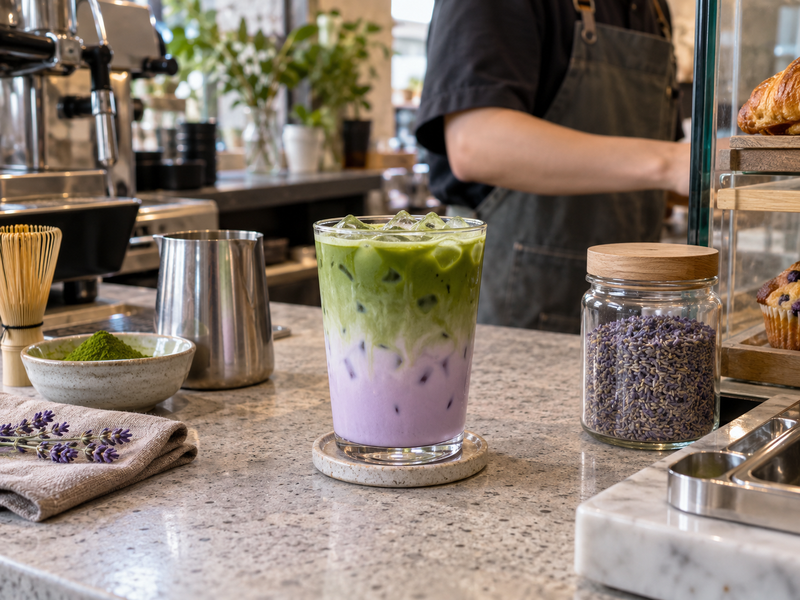
An iced latte has less liquid room once the cup is filled with ice. Fix ice weight or a validated fill level, then measure milk, matcha concentrate and syrup. Compare pouring syrup into the bottom first with mixing it into milk before adding tea. A beautiful green layer may deliver uneven flavor through a straw. Taste first and last sips with the actual straw and after a short melt interval.
If a syrup is thick, cold milk may not disperse it with a quick stir. Use a shaker or another tested method without losing too much drink on the vessel. Keep hot and iced cards separate rather than assuming the same volume of every component works in both. The aim is related flavor, not identical appearance. A slightly different syrup dose may be justified only after blind tasting of complete cups.
| Iced issue | What to inspect | Next test |
|---|---|---|
| Sweet bottom | Syrup mixing | Pre-mix with milk |
| Weak finish | Ice dilution | Adjust liquid/ice balance |
| Clumped tea | Concentrate method | Pre-disperse matcha |
| Overpowering aroma | Syrup dose | Reduce measured amount |
7. What can be prepared ahead?
Keep the station simple and traceable
The café may pre-portion dry matcha, stage syrup in a measured pump and prepare milk or plant drink for service. A homemade lavender syrup requires a documented recipe, container, preparation date and storage route under the food-safety plan. A commercial syrup still needs its opened-container instructions followed. Matcha concentrate may settle or change appearance during a hold, so test it before making batches for a rush.
Separate a sensory quality window from a safe handling decision. The FDA Food Code is a U.S. retail model; local rules and the café’s approved process govern prepared components. If the staff cannot track an open syrup or premix reliably, dispense directly from a labeled commercial bottle or make the tea on order. A little saved time is not useful when cup strength varies across a shift.
8. How should ingredients and allergens be explained?
Give staff a factual description
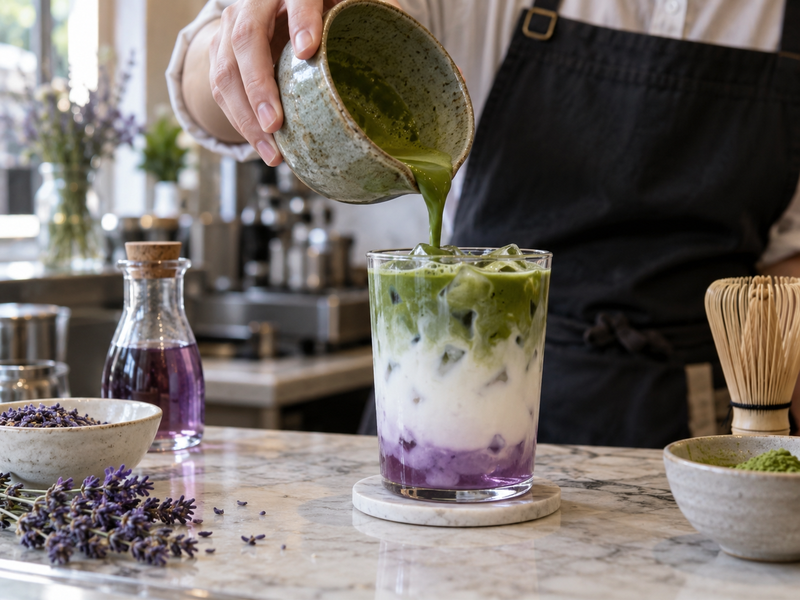
The menu can say “matcha latte with a light lavender syrup” and state the standard milk and sweetness. Avoid promises about relaxation, sleep, energy or other effects from lavender or matcha. Customers may ask whether the syrup contains artificial flavors, colors or allergens; answer from the current supplier document rather than guessing. If the syrup is made in-house, keep its ingredient sheet at the bar.
Milk and plant alternatives need separate allergen review. The FDA major food allergen guidance is a U.S. reference, and destination rules govern disclosures. A drink made with oat milk is not automatically dairy-free if a topping or shared equipment introduces milk. Teach staff what substitutions are possible and which change the taste enough to require a different build.
| Customer asks | Staff checks |
|---|---|
| Is it sweet? | Syrup and added sugar |
| Is lavender in the tea? | Syrup versus premix method |
| Which milk is standard? | Recipe card |
| Is it suitable for an allergy? | Ingredient and equipment review |
9. What is the cost per finished cup?
Measure the flavor that is actually served
Cost matcha, syrup, milk, cup, lid, ice and any garnish at the approved dose. A concentrated lavender syrup may cost more per bottle but need less per cup. The correct comparison is the finished taste and cost, not bottle price. If a syrup requires so much milk to avoid a perfumed flavor that matcha becomes weak, it is a poor fit even if inexpensive.
Observe several consecutive orders. Measure pump output at opening and after the bottle is nearly empty, and record remakes caused by excess syrup. Hot and iced drinks have different cup and ice costs, so price them separately if needed. A limited menu trial can show whether customers order the floral variation beside the plain matcha latte or instead of it. Use that demand record before committing to a large syrup purchase.
When comparing demand, keep the plain latte’s recipe and price visible in the same report. If the lavender version sells mainly because it is promoted at the counter, the first week’s volume may not predict routine orders. Note how many customers request a less-sweet version and whether staff can make it without creating a second improvised recipe. That information determines whether one standard syrup dose is enough or the menu needs a clearly tested alternative.
10. When is the drink ready for launch?
Repeat the cup across baristas
Write separate hot and iced recipe cards with matcha weight, concentrate method, syrup dose, milk, cup, ice where relevant and build order. Include a short flavor target and a photograph of the approved cup. Ask a second barista to make three drinks without coaching, then taste them against the reference. If the floral note swings from faint to soapy, calibrate the syrup dispenser or reduce the recipe’s sensitivity.
During a limited sale, sort feedback by cause: too sweet, too floral, weak matcha, clumps or poor iced mixing. Change one variable at a time. The latte is ready when the team can make both versions consistently and describe their ingredients plainly. A restrained floral note should make the matcha more interesting, while leaving the tea unmistakable.
| Decision | Evidence | Next step |
|---|---|---|
| Launch | Repeatable hot and iced cups | Train shifts |
| Revise | One clear balance fault | Measured retest |
| Hold | Ingredient or handling uncertainty | Resolve first |
FAQ
Q1. Does the lavender have to be blended into matcha powder? No. A food-use syrup can be dosed separately, with its own recipe test.
Q2. Why does the drink taste soapy? The lavender level may be too high or poorly matched to the milk and tea.
Q3. Can hot and iced lattes use the same syrup dose? Test both; temperature and ice change the flavor.
Q4. Should dried lavender be used as garnish? Only if it is appropriate for food use and improves the drinking experience.
Q5. What should be calibrated first? Measure the matcha dose and actual syrup pump output.
Prepare low- and medium-lavender versions beside a plain matcha latte. Keep the version whose final sip still tastes of tea and whose measured build a busy barista can repeat.