
Matcha for wellness studios sounds simple until a yoga class ends and twenty people reach a counter staffed by one receptionist. A drink that needs several vessels and careful cleaning may be difficult to serve during a short class changeover. Studio buyers need a menu and supply plan built around the actual room, staff, and schedule. This guide covers recipe trials, batch preparation decisions, pack size, ingredient information, retail tins, and reordering. It treats matcha as a beverage and retail product; it makes no claims that a cup improves exercise, recovery, concentration, or health. For service hygiene, use the applicable local rules and an established foodservice procedure such as the FDA Food Code model.
Contents
- 1. What role should matcha play in the studio?
- 2. Which drink format fits class turnover?
- 3. How should candidate powders be sampled?
- 4. What equipment and space are required?
- 5. Can the studio prepare drinks ahead of time?
- 6. How should portion and serving cost be set?
- 7. What should ingredient and claim reviews cover?
- 8. Do retail tins belong beside the drink menu?
- 9. How much stock should a small studio hold?
- 10. What should the supplier agreement record?
1. What role should matcha play in the studio?
Define the offer at the front desk
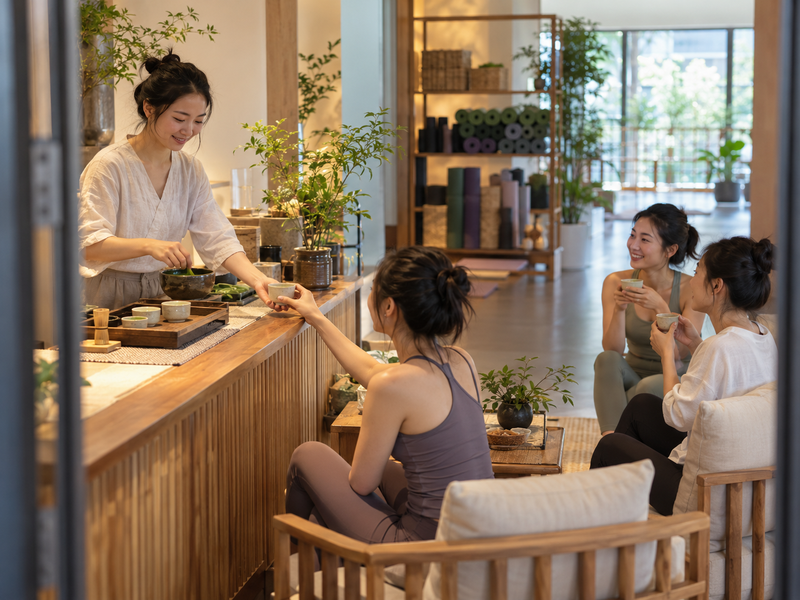
A studio might serve one prepared latte after class, offer a plain tea at a supervised counter, or sell sealed tins for home preparation. Each is a different operation. Choose the offer that matches the space and staff already present. If a receptionist handles check-ins, bookings, and retail, a complex made-to-order menu may compete with those tasks. Start with one drink that staff can make repeatedly and one clear price. Ask members what they would buy at the actual time of day, rather than asking whether they generally like matcha.
Avoid linking the drink to an implied result from a class. Describe its flavor, ingredients, temperature, size, and preparation. A wellness setting does not turn a beverage into a treatment or performance product. The FTC health-products guidance explains why marketers need evidence for express and implied health messages. The buyer’s immediate task is simpler: serve a cup that tastes good, fits the class schedule, and can be documented on a menu without invented benefits.
| Studio offer | Service task | Buying question |
|---|---|---|
| Made-to-order latte | Measure, mix, clean | Can staff handle the class rush? |
| Plain tea | Prepare and serve | Is the taste acceptable without milk? |
| Sealed retail tins | Display and explain | Do customers want home-use packs? |
| Event service | Plan limited batch | Who owns preparation and timing? |
2. Which drink format fits class turnover?
Time a real changeover
Observe a normal class ending. Count visitors, queue length, available staff minutes, and space at the counter. Then make the proposed drink during that period. A shaken iced matcha, whisked hot cup, and latte may need different utensils and wash steps. Estimate the number of cups the team can hand over before the next class begins. If the recipe requires more service time than the window allows, shorten the menu or add a dedicated service person rather than asking staff to hurry an untested process.
Test cup lids, ice access, milk storage, payment flow, and the place where finished drinks wait. A studio may have a beautiful lobby but no suitable sink near the counter. Takeaway service also changes how a drink looks after several minutes. Prepare samples and evaluate them at handoff and at the time customers are likely to drink them. The right powder is the one that performs in this service format, not the one with the most impressive tasting note in a separate tea room.
| Format | Time-sensitive step | Trial observation |
|---|---|---|
| Hot cup | Mixing and serving temperature | Handoff within class gap |
| Iced latte | Powder dispersion and ice | Texture after pickup |
| Preportioned dry kit | Accurate measured portion | Staff error and packaging work |
3. How should candidate powders be sampled?
Use the exact studio recipe
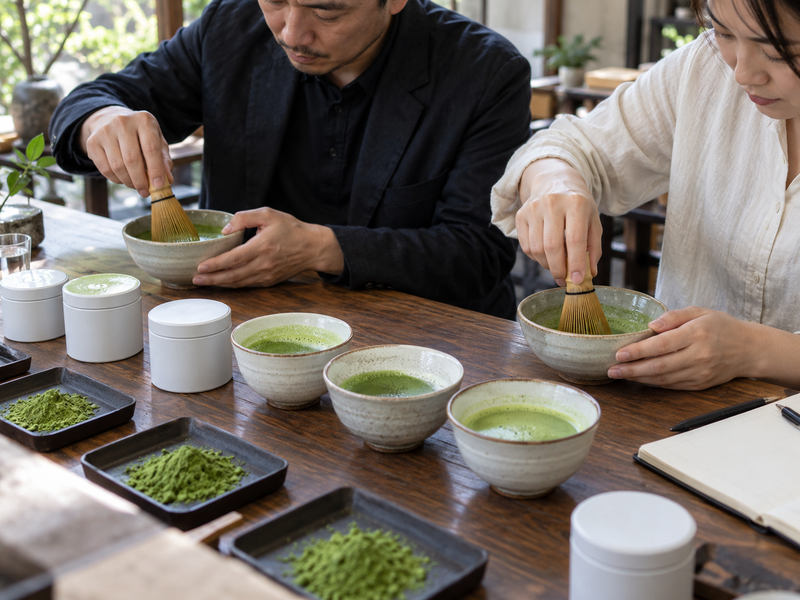
Ask suppliers for samples with a product code, ingredient statement, lot, pack options, and storage instruction. Compare two or three candidates in the same cup with the same water or milk, sweetener, and powder dose. Code the cups so a prestige grade label does not set expectations. Ask staff and a small member panel to describe taste and texture. If the menu contains both plain matcha and a sweet latte, run separate trials; the same powder may suit one recipe better than the other.
Record how the powder handles at the counter. Does it disperse with the tool the studio owns? Does color remain acceptable during the actual pickup delay? Can a new staff member reproduce the drink from a short recipe card? A study of matcha powder properties in beverage work found measurable differences among powders, but the studio’s own formula and equipment determine the purchasing result. Keep a sealed reference sample and written recipe. Re-trial if a supplier changes the product or the studio changes its base ingredients.
4. What equipment and space are required?
Draw the station before buying hardware
Mark where powder, water, milk, clean tools, used tools, finished cups, and waste will sit. Add the customer queue and the class entrance. A small frother may fit the counter, but its cleaning station may be across the building. A bamboo whisk can make a good supervised preparation, yet it needs a bowl, drying location, and replacement plan. Choose equipment after walking through a full order, including payment, preparation, handoff, and cleaning. If the studio uses shared utensils, assign responsibility for each step.
Check local foodservice requirements for the setup and any permits the business may need. The FDA Food Code is a model for retail food service in the United States, not a universal licence for a particular studio. Facilities should use the rule set that applies where they operate. Keep electrical devices away from wet areas, and make sure workers can reach an appropriate handwashing and utensil-cleaning arrangement. A supplier quotation for powder should not be treated as approval of the studio’s service space.
| Station item | Space question | Person responsible |
|---|---|---|
| Powder and scoop | Can it stay dry and closed? | Shift lead |
| Milk or alternative | Where is it stored and served? | Foodservice lead |
| Mixing vessel | Where is it cleaned? | Assigned staff |
| Handoff area | Does it block check-in? | Front-desk manager |
5. Can the studio prepare drinks ahead of time?
Test the actual holding interval
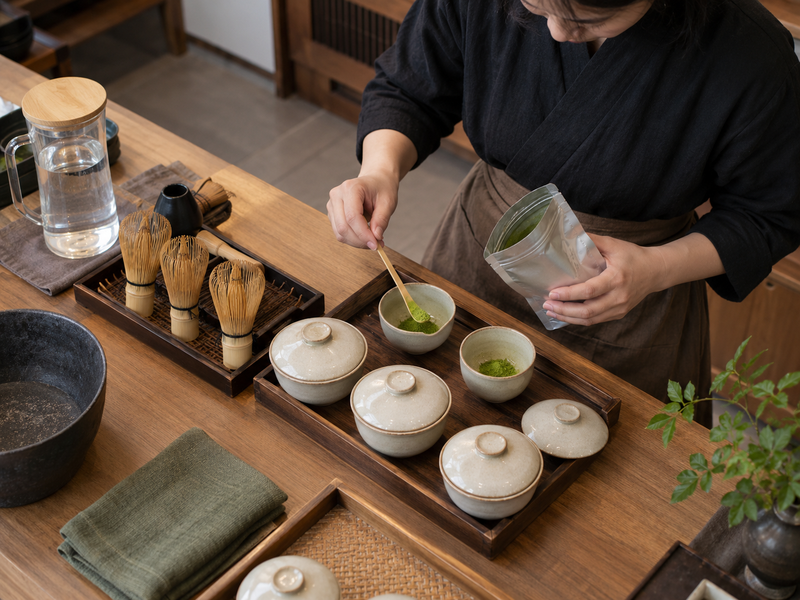
Pre-preparation can reduce a post-class queue, but the drink may settle, change appearance, or require a temperature-control plan. Decide what “ahead” means: dry powder portions, a prepared matcha base, or fully finished cups. These carry different handling questions. Trial the longest realistic interval and observe taste, texture, separation, and the work required to serve. Ask the food-safety lead to review ingredients, temperature, holding method, and local requirements before adopting any prepared-liquid method.
A dry, labeled portion may be easier to stage than a batch of finished dairy drinks, but it still needs accurate measurement and protection from moisture. Do not treat a test cup that looked acceptable after five minutes as proof that a prepared drink is safe for a much longer event. Follow the site procedure and supplier guidance for the exact recipe. If preparation ahead is too complex, offer a shorter menu or make drinks to order with a queue limit. Record the decision in the recipe card so a substitute staff member does not extend holding time by guesswork.
| Preparation choice | Operational benefit | Check before use |
|---|---|---|
| Measured dry portions | Faster dosing | Protection and label accuracy |
| Matcha base | Faster mixing | Holding and texture review |
| Finished cups | Fast handoff | Quality and food-safety procedure |
6. How should portion and serving cost be set?
Price the tested cup
Make a dose ladder in the approved recipe. Have tasters identify the lowest powder amount that still gives the intended matcha flavor without an unpleasant balance. Record grams, not an imprecise scoop count. Price that dose using the supplier’s quoted cost per kilogram, then add milk, sweetener, cup, lid, labor, expected waste, and payment costs. A low price per bag can be misleading if the powder needs a much higher dose or staff discard clumpy portions at the end of a shift.
Run the calculation at a realistic daily sales level. A studio selling a few cups after selected classes has different economics from a full-time café. If only a few customers buy the drink, a large open pack may age before it is used, and service labor may consume the margin. Test the menu price with actual members and note whether drink service slows check-in. A product can be attractive on a tasting day yet uneconomic for a small team to offer every day. Put the chosen dose and price in the buyer’s reorder forecast.
| Cost line | Measure | Decision use |
|---|---|---|
| Matcha | Grams per approved cup | Compare powder offers |
| Other ingredients | Portion and purchase cost | Build full recipe cost |
| Service materials | Cup, lid, napkin | Price takeaway format |
| Labor and waste | Minutes and discarded portions | Decide service hours |
7. What should ingredient and claim reviews cover?
Describe what is in the cup
Keep the supplier ingredient statement for matcha or a prepared mix. Add labels for milk, plant beverages, syrups, and toppings used by the studio. Shared tools can also matter when a person asks about allergens, so the site’s food-safety lead should review preparation and cleaning. The FDA food-allergy information explains why ingredient and cross-contact questions extend beyond the featured powder. Menu staff should be able to show the current ingredient record rather than infer it from a product name.
Review signs, class announcements, social posts, and retail descriptions for implied health claims. “A warm green drink after class” describes a service; a promise that matcha accelerates recovery needs evidence and regulatory review. The FTC’s health-products guidance addresses both express and implied advertising messages. Matcha Village’s supplier information cannot substantiate a studio’s finished-drink performance claim. Keep the menu focused on taste, serving size, temperature, price, and verified ingredients unless qualified advisers approve additional language.
8. Do retail tins belong beside the drink menu?
Treat sealed retail stock as a separate product
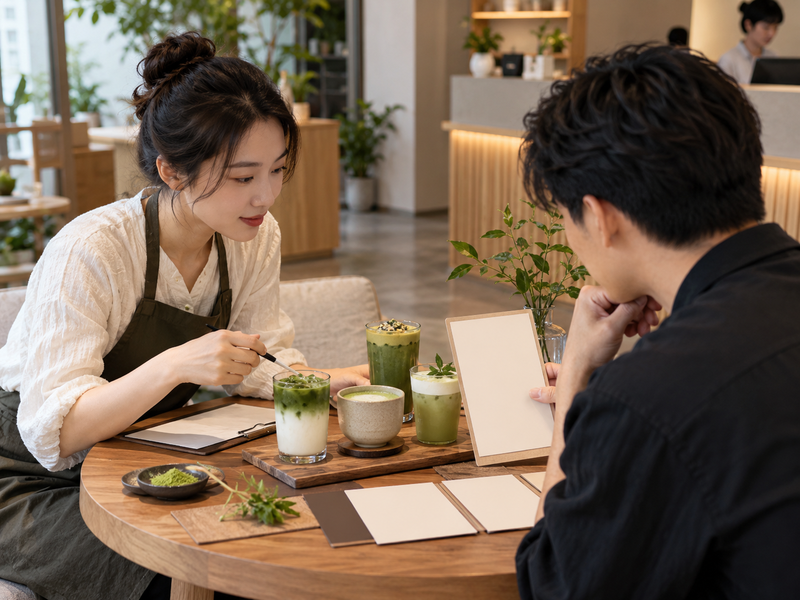
Retail tins can give members a way to prepare matcha at home, but they require label review, price display, stock rotation, and someone who can explain preparation. Ask whether the powder sold in a tin is the same SKU used at the counter. If not, keep names and tasting notes distinct. A customer who enjoyed a sweet latte may be surprised by unsweetened home-use matcha. Offer a simple preparation card that reflects the actual powder and avoid suggesting the tin reproduces a studio latte without its other ingredients.
Count the space used by the display and the time staff spend answering questions. Place sealed tins away from heat and direct light according to the supplier’s instruction. Track lot and date marks separately from service powder. If tins do not sell after a pilot, stop reordering rather than hiding the stock behind an attractive display. A small trial can show whether the retail offer supports the studio’s customer experience or merely creates another inventory line for the receptionist to manage.
| Retail decision | Check | Record |
|---|---|---|
| Product | Same or different from service SKU? | Code and sample |
| Label | Current market review | Approved artwork |
| Display | Protected, accessible location | Lot and date rotation |
| Support | Preparation explanation | Staff card |
9. How much stock should a small studio hold?
Order from classes and actual sales
Forecast drink demand from a class calendar and a trial conversion rate, then revise it with real cups sold. Include special events separately because a launch party may not represent a normal week. Multiply cups by approved powder dose and compare the result with available inner-pack sizes. Smaller sealed packs can fit low-volume operations better than one open bulk bag. Ask the supplier for its storage instruction and remaining dated life at receipt. Plan a reorder point from measured use and confirmed lead time.
Keep one small working container or inner bag in service and the balance sealed in a protected location. Record the opening date and lot. Studies of matcha storage temperature and light and water activity support limiting exposure under their test conditions; they do not supply an open-pack guarantee for this studio. If two sites have different class volumes, order separately. A one-size shipment can leave the quiet site with too much aging stock and the busy site short before the next class block.

10. What should the supplier agreement record?
Make the next bag match the trial
Record the approved powder code, ingredient statement, pack size, sample lot, intended drink, order quantity, price basis, storage instruction, date-marking expectation, delivery point, and contact for quality questions. A studio may buy through a distributor or directly from a manufacturer; either route should preserve product identity across reorders. Ask how the supplier will announce a change in grade, blend, package, or source. Put the approval step in writing so a substitute is sampled before it appears on the menu.
Review the first delivery against the agreement. Photograph damaged packs and hold questionable stock while the supplier responds. Keep lot codes in the purchase and issue records so the studio can trace member feedback to a particular delivery. Matcha Village buyers can share their class schedule, drink format, tested recipe, preferred inner pack, and likely weekly use for a specific quotation. The supplier can then confirm what product and replenishment cadence it can offer rather than quoting a bulk quantity that the studio cannot use.
Use the matcha reorder point guide to set a replenishment trigger that reflects class schedules and actual servings.
FAQ
Q1. Is matcha a post-workout recovery drink? This sourcing guide makes no performance or recovery claim. The studio should describe the drink and seek qualified review for any proposed health statement.
Q2. Can a receptionist run a matcha counter? Test the full service flow during a class changeover. Staffing depends on the menu, queue, and other front-desk duties.
Q3. Should a studio prepare a large batch before class? Review the exact recipe, holding method, quality over time, and local food-safety requirements before doing so.
Q4. Is the most expensive matcha always best for a latte? No. Compare coded samples in the finished recipe at a measured dose and serving cost.
Q5. Should retail tins use the drink-service powder? They may, but confirm the SKU and set expectations for home preparation; a latte also contains other ingredients.
Pilot the counter with one class block
Choose one tested drink and serve it after several ordinary classes. Record cups sold, time per order, powder used, cleaning work, and questions from members. Those records will show whether the studio needs a different pack, a shorter menu, or dedicated service time before it signs a larger wholesale order.