
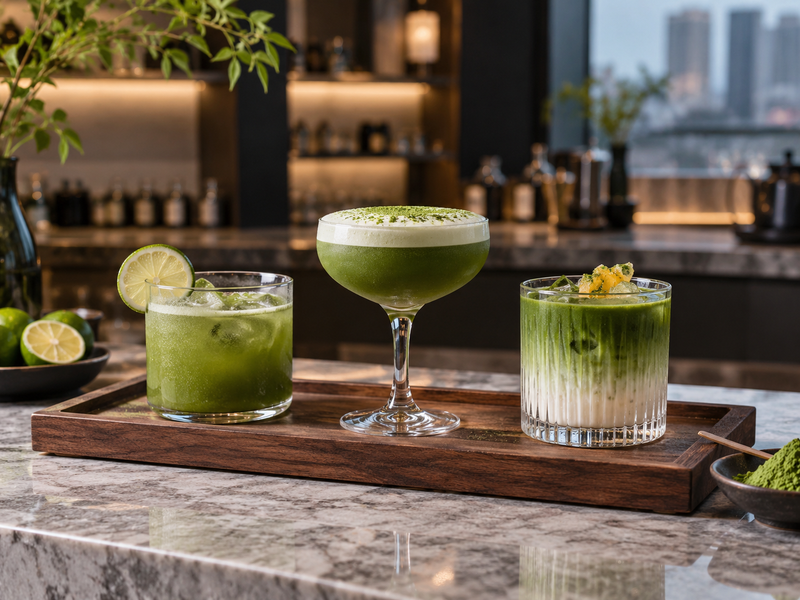
Matcha cocktails can add tea character and a striking color to a drinks list, but the powder brings practical challenges. It suspends rather than dissolves, can taste harsh beside citrus, and may disappear under a strong spirit or sweet mixer. A collection of seven Mizuba matcha cocktail recipes offers ideas for home mixing. A bar or hotel needs an additional layer of work: repeatable specs, a service method, cost control and clear communication about alcohol. This guide starts with the drink the guest should taste, then works back to the ingredients and process.
Contents
- 1. What role should matcha play in the drink?
- 2. Which matcha should a bar test?
- 3. How should a matcha base be prepared?
- 4. How can acid and sweetness be balanced?
- 5. Which spirits and mixers deserve a trial?
- 6. How should alcoholic and alcohol-free versions differ?
- 7. What happens to color and texture during service?
- 8. How should a bar test speed and consistency?
- 9. What should the menu and staff communicate?
- 10. When is a matcha cocktail ready to launch?
1. What role should matcha play in the drink?
Choose the first flavor a guest should notice
A cocktail with a green color is not necessarily a matcha cocktail in any meaningful sensory sense. Decide whether the tea is the lead flavor, a bitter counterpoint or a quiet part of a broader profile. Write a short target for the first sip, middle and finish. For example, a citrus-led drink could open bright and finish with recognizable tea. A creamy dessert drink may have matcha in the middle rather than at the front. Those are different briefs and may need different powders and doses. Do not ask the staff to solve the difference by adding an unmeasured spoonful of matcha at the end.
Taste a reference version without garnish. A sugared rim, mint bouquet or colored foam can set an expectation that the liquid itself fails to meet. Test at the intended serving temperature and with the planned glass. As ice melts, the drink changes; a high-acid build may become thin while a sweet one can feel heavier. Record the intended end point as well as the first sip. This makes recipe reviews more useful than a discussion of whether the glass looks vivid enough for a photo.
2. Which matcha should a bar test?
Compare lots in a finished cocktail
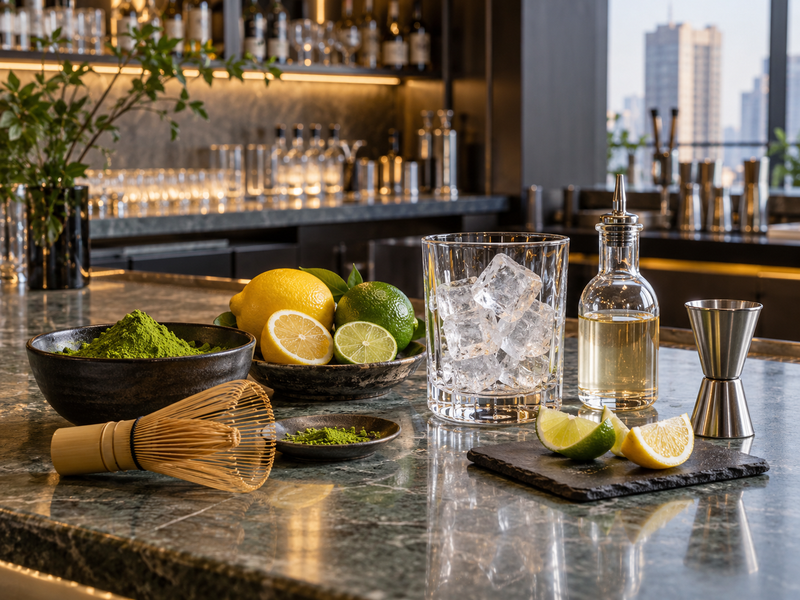
Ask a supplier for representative, lot-linked samples and a specification. Then make the same cocktail with each powder. A matcha that tastes delicate in water may vanish beside gin, rum or a strongly flavored syrup; another may make the finish rough. Evaluate the powder’s aroma, bitterness, texture and aftertaste in the drink you plan to sell. Color deserves attention but should not be the only selection criterion. Lighting, glass tint and citrus can all alter how green the final cocktail appears, while a pleasing color cannot repair a poor taste.
Compare cost per accepted drink, not bag price alone. One powder may produce the target at a lower dose, saving both ingredient cost and mixing effort. Consider storage and speed: a large bag left open at the bar may be a poor fit for a slow-selling special. Ask about smaller packs and documented storage conditions. If the menu claims a specific origin, organic status or grade, verify that the lot and documentation support it. Retest when the supplier changes the powder or the bar changes a major mixer.
| Matcha test | What to record | Buying implication |
|---|---|---|
| Tea presence | Blind taste in final recipe | Dose and grade choice |
| Texture | Any gritty last sip | Mixing method |
| Appearance | Color after service wait | Menu photography accuracy |
| Supply | Lot and pack format | Consistency and waste |
3. How should a matcha base be prepared?
Wet the powder before it reaches the shaker
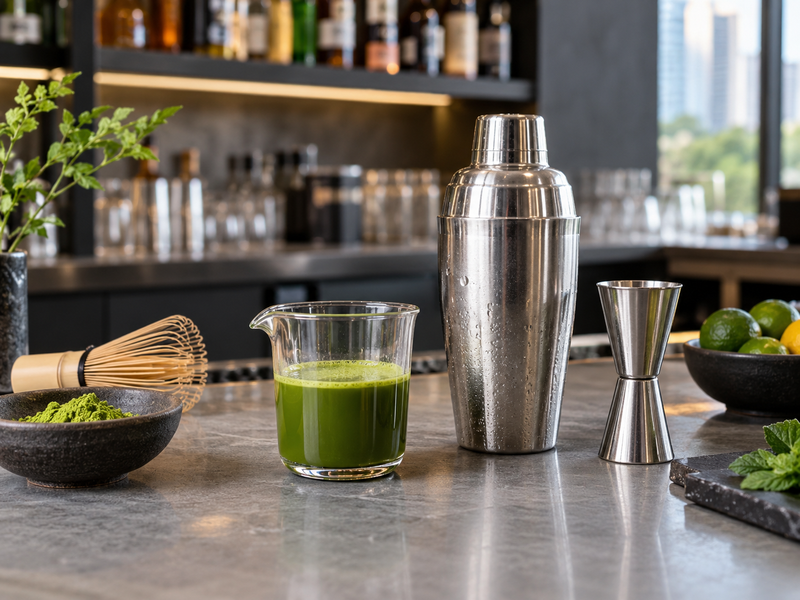
Matcha is a suspended leaf powder, not a syrup that dissolves instantly. Dumping it into a shaker full of ice and other ingredients can leave dry clumps stuck to the tin and a bitter green deposit in the glass. Start with a measured small volume of water or another appropriate liquid and whisk the powder until smooth. The concentrate can then enter the cocktail build. Make the sequence practical for the actual station. If it requires an extra tool, decide where that tool lives and how it is cleaned between orders.
For a busy service, a premixed base may seem attractive. Test it as a separate product, with an approved holding procedure and clear lot and time labeling under the bar’s food-safety plan. Do not assign it a shelf life from appearance or taste alone. Compare first and last pours; matcha can settle in a batch container. If every cocktail needs a different shake of the base to reach the right dose, prebatching is not yet controlled. A smaller, freshly prepared concentrate may be more reliable for a low-volume menu item.
| Preparation step | Acceptable result | If it fails |
|---|---|---|
| Powder wetting | No dry center | Change addition order |
| Concentrate | Smooth and pourable | Adjust whisk or mixing time |
| Cocktail mixing | Even liquid and expected foam | Review shake or stir method |
| Finished glass | No dense powder at the bottom | Remake, then revise process |
4. How can acid and sweetness be balanced?
Change one variable at a time
Matcha has its own bitterness and vegetal aroma. Citrus can make the drink lively, but too much acid may make that bitterness seem sharper. Syrup can soften the edge while hiding the tea entirely. Build a small tasting grid with measured acid and sweetness levels around one fixed matcha dose. Taste blind and score tea presence, balance, texture and the finish. Then repeat the preferred options with the intended spirit. This order reveals what the mixer does before alcohol complicates the comparison.
Use the actual citrus juice, syrup and glassware that service will use. Bottled and fresh juices can differ; different sweeteners change mouthfeel. If the drink has a foam, taste beneath it as well as through it. A very sweet cap can make the first sip appealing while the body of the drink remains thin or harsh. Ice melt needs its own check. A balanced freshly shaken sample can taste noticeably different after it sits on a table. Do not compensate for poor balance with a garnish that most guests will not eat.
5. Which spirits and mixers deserve a trial?
Choose partners for a defined flavor job
A neutral spirit leaves more room for tea; a botanical spirit may share herbal notes but can also compete with them. Rum, whiskey and liqueurs bring additional sweetness, oak or spice. Rather than declaring one spirit the universal matcha partner, test two or three candidates against the same flavor target. Keep alcohol volume and matcha dose controlled in the initial comparison. A bartender can then adjust the winning version, but the team should be able to explain why it works. Consider the price and standard pour before choosing a premium bottle for a low-margin seasonal item.
Mixers need the same attention. Coconut, tonic, ginger, citrus and dairy-style ingredients each change both taste and texture. A mixer that hides an unpleasant tea note may also remove the reason to order matcha. Check any milk, coconut cream or flavored syrup for ingredients and allergens before publishing menu copy. If a purchased mixer changes formulation, retest the drink rather than assuming the old spec will hold. Keep the guest’s intended experience in view: a refreshing highball and a rich after-dinner cocktail should not be judged by the same tasting target.
| Trial style | Likely design question | Check before approval |
|---|---|---|
| Citrus sour | Is tea present after acid? | Bitter finish and foam |
| Highball | Does dilution thin the tea? | Taste after ice melts |
| Creamy drink | Is matcha hidden by mixer? | Texture and allergens |
| Spirit-forward | Does alcohol dominate? | Balance and responsible pour |
6. How should alcoholic and alcohol-free versions differ?
Develop two proper recipes
Removing the spirit from a cocktail does not automatically create a satisfying alcohol-free drink. The original may depend on the spirit for aroma, body or bitterness. Define a separate target for the alcohol-free version and choose ingredients that give it structure. Tea can be a useful part of that structure, but more matcha is not always the answer; an excessive dose may make a thin drink dusty. Taste both versions without telling the panel which is the newer one. Ask whether each stands as a finished menu item, not whether one is a convincing copy.
Use distinct names or clear labels on the menu and service tickets. The glassware and garnish can be related, but the staff must be able to identify the alcoholic version reliably. Train on the exact recipe and on avoiding accidental cross-service. A guest choosing the alcohol-free option should not be given a health claim by implication: matcha contributes caffeine, and a sweet mixer remains sweet even without alcohol. If caffeine information is relevant to your customers, obtain a product-specific basis before stating an amount.
7. What happens to color and texture during service?
Observe the glass as a guest would
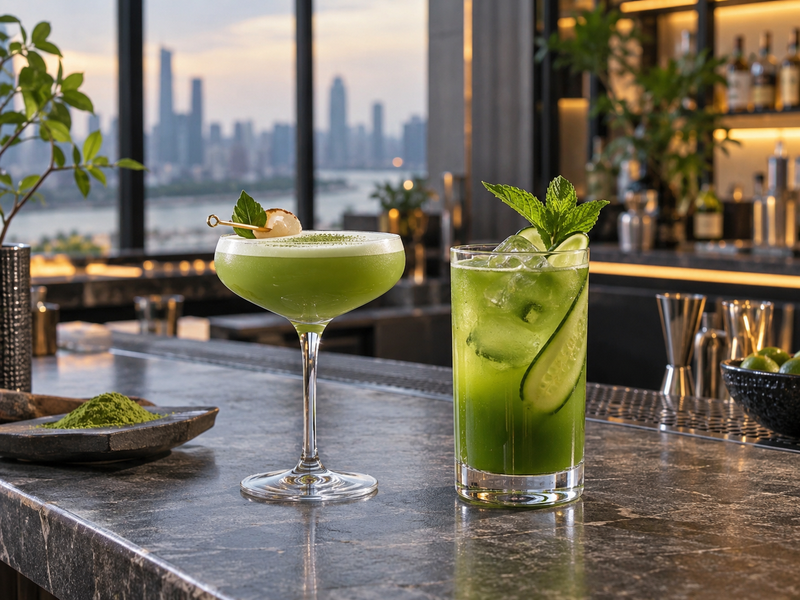
Look at the drink under the bar’s actual lighting immediately after preparation and after a plausible wait. Matcha particles can settle; foam can collapse; citrus and other ingredients may change the perceived color. Photograph the drink at both times, but taste it too. A drink can remain attractive while the last sip carries concentrated powder. A fine foam may feel elegant at the bar but separate in a delivery cup. These are recipe and service issues, not just photography problems.
Choose the mixing method for the desired texture. Shaking can create aeration; stirring can preserve a clearer appearance, but may not disperse a difficult powder. Test methods side by side rather than assigning one by cocktail category. Do not use a decorative matcha dusting if it produces a dry first mouthful. If the drink relies on a stable foam, specify how staff judge that foam and what they do when it fails. A garnish should be edible, accurate and easy to reproduce during a rush.
8. How should a bar test speed and consistency?
Run a service trial with the real tools
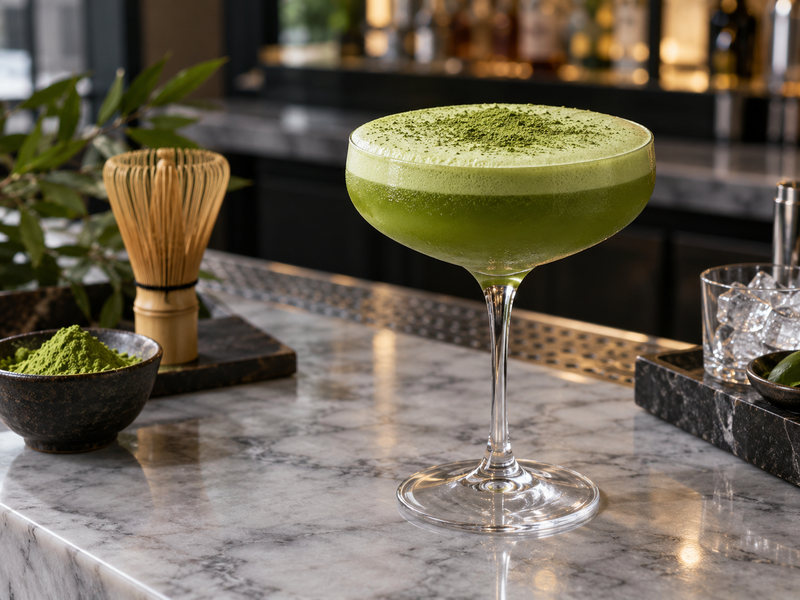
Time the recipe from order to handoff using the station layout and tools staff will have. Count the extra movements caused by sifting, whisking, rinsing and fetching special ingredients. A beautiful development-kitchen drink may slow the bar enough to make it impractical on a Friday night. Identify the one step that most often fails, then revise the process or simplify the menu item. Train more than one bartender; the creator’s speed does not represent the team. Measure the first and last sample of a short service run and compare appearance and taste.
Build a recipe card with gram or volume measures, glass, ice, method, garnish and a photo of the accepted finish. Include the proper response to a clumped concentrate or a missing ingredient. Staff should remake an out-of-spec drink rather than improvising a hidden substitution. Record waste and pour cost as well as preparation time. A low-priced drink that needs multiple remakes will not be an efficient special. Review how often the matcha package is opened and how long it sits in the working environment.
| Service measure | Trial method | Launch decision |
|---|---|---|
| Build time | Several staff during a short rush | Fits the station workflow |
| Dispersion | Inspect first and last glass | No powder clumps |
| Flavor | Blind sample at handoff and later | Matcha remains identifiable |
| Cost | Accepted pour plus waste | Fits target margin |
9. What should the menu and staff communicate?
Describe the drink the team actually serves
Give the guest the main flavor cues, the alcohol status and material ingredients that may matter to them. “Matcha cocktail” alone does not tell a guest whether the drink is citrus-sharp, sweet, creamy or tea-forward. A concise description can do that without promises about energy, detoxification or other health effects. Alcohol and caffeine belong in responsible menu and staff communication. Requirements vary by market, so have local counsel or a qualified compliance reviewer check any regulated claims and age-related service practices. Do not imply that matcha changes the effects of alcohol.
For U.S. retail food service, the FDA Food Code offers a model for food handling; local rules determine the operation’s obligations. Review ingredient labels for allergens and cross-contact information, especially when using milk, coconut cream or ready-made mixers. Keep the standard recipe accessible to staff so they can answer ingredient questions accurately. If a guest requests a substitution, staff should know which changes have been tested and which require a different order. A memorable menu name is useful only when the product it describes is clear.
| Menu detail | Staff should be able to explain |
|---|---|
| Flavor | Tea, acid, sweetness and major mixers |
| Alcohol status | Correct recipe and service ticket |
| Ingredients | Current allergens and substitutions |
10. When is a matcha cocktail ready to launch?
Approve the flavor, method and business case together
Launch when several bartenders can make the same accepted drink at service speed, using a powder and mixers that the business can replenish. The team should have a written spec, a clear alcohol or alcohol-free designation, current ingredient information, costed portions and a sensory target that survives a normal wait at the table. Run a limited trial before printing a permanent menu. Invite direct feedback about sweetness, tea presence, texture and price, then review the data alongside waste and remake notes. A few attractive photographs do not establish repeat demand.
Set a review date and a rule for ingredient changes. If the matcha lot, spirit or mixer changes, taste the drink again against the original brief. Keep a record of the version sold, since staff memories become unreliable after several small tweaks. The best matcha cocktails give guests a reason to taste tea in a balanced drink, while giving the bar a recipe it can execute without theater or guesswork. That is a stronger foundation than chasing the brightest possible green.
FAQ
Q1. Does matcha dissolve in a cocktail? No. It is fine suspended leaf powder. A smooth concentrate and a tested mixing method help distribute it.
Q2. Which spirit is best with matcha? There is no universal winner. Test candidates against the intended flavor profile, dose and service method.
Q3. Can a matcha cocktail be made without alcohol? Yes. Develop a complete alcohol-free recipe with its own balance, rather than merely omitting a spirit.
Q4. Why does the drink settle? Matcha particles can fall through the liquid over time. Check the guest’s likely drinking window and adjust the method if the last sip is poor.
Q5. Should a menu make health claims about matcha cocktails? Describe flavor and ingredients accurately. Any health or caffeine claim needs a sound product-specific basis and local compliance review.