
A hojicha cocktail can look intriguing on a menu while tasting like a standard sweet highball with tea in the name. Roasted tea needs enough presence to remain clear after spirit, ice, citrus, and dilution. The bar also needs a tea base that staff can prepare and hold consistently. This guide moves from flavor brief to service test for beverage teams. It distinguishes the finished cocktail from a hojicha syrup recipe: syrup may be one component, but a sellable drink depends on balance, timing, and safe service of the complete formula.
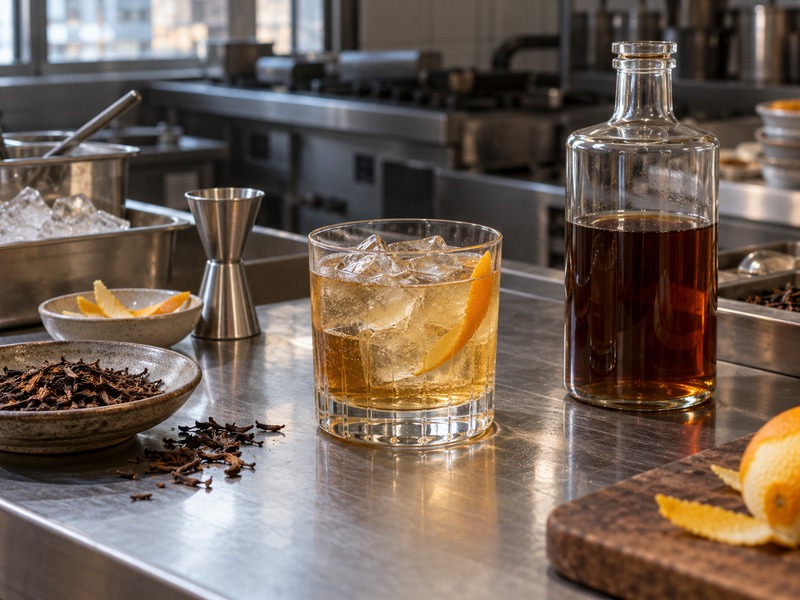
Contents: concept · tea · spirit · sweetness · acid · dilution · batch · service · cost · launch
1. What is the drink meant to do on the menu?
Give the roasted tea a clear job
Choose a service occasion before choosing a garnish. A light sparkling drink might suit an aperitif list; a short spirit-forward drink might sit beside whiskey or rum serves. Decide whether hojicha should lead the aroma, add a warm finish, or replace another tea ingredient. If it only colors the drink, the concept may need another name. Write a sensory target that staff can use: for example, a clean toasted-tea nose, moderate sweetness, and a finish that does not become smoky.
Taste beside a control. Make the proposed cocktail and a version without tea at the same sweetness and strength. If the team cannot tell them apart blind, increasing garnish is not the answer. Review the existing menu for overlap. A new item should create a distinct taste or guest occasion, not simply repeat a brown spirit drink with a Japanese word attached. The name and description should state the main ingredients plainly, including whether the drink contains alcohol or uses a nonalcoholic base.
2. Which tea base works behind the bar?
Compare leaf concentrate, powder, and syrup
A strong leaf infusion can be clean and easy to strain, but it may taste thin after shaking. Hojicha powder can bring more body and intensity while leaving sediment if it is not dispersed well. A syrup integrates sweetness and tea preparation but may limit how independently the bar can adjust the two. Make each base at a documented tea mass and finished yield. Taste it plain, then in the same cocktail recipe. A supplier’s roast that shines in a latte may be too heavy with a dry spirit.
Inspect the empty glass. Residue can be a texture problem even if the first sip tastes good. Check powder settling, foam, and color after the drink sits for the normal service interval. If the base is prepared in advance, the bar must define its safe holding method and quality window under its operating procedures. Use production-representative tea samples and record the lot. Avoid calling a tea base caffeine-free without product-specific evidence; a roasted tea still comes from tea material.
| Tea base | Strength | Service question |
|---|---|---|
| Leaf concentrate | Clear liquid | Does flavor survive dilution? |
| Powder slurry | Body and color | Does sediment remain? |
| Tea syrup | Fast measured pour | Can sweetness be adjusted? |
| Ready-to-use base | Consistent portion | What is its validated life? |
3. How should a spirit or nonalcoholic base be chosen?
Keep the tea visible
Dark spirits can share roasted notes with hojicha, but a very strong barrel character may hide the tea. Clear spirits can leave more space, yet the combination may feel thin without another structure. A nonalcoholic version can be its own drink rather than a direct deletion of spirit from an alcoholic recipe. Prepare a small comparison with the same tea base, sweetness, acidity, and total liquid volume. Ask tasters which cup makes the tea easiest to recognize and which one they would actually order again.
Use the real pour. A bar may test with a premium spirit from the tasting shelf and later switch to its house bottle. That changes both flavor and cost. Test the commercial choice. If the menu uses a nonalcoholic spirit substitute, review its ingredient statement, sugar, and any allergens. Do not imply that a nonalcoholic hojicha drink lacks caffeine. Keep alcohol service, age verification, and menu claims within the venue’s applicable rules; the tea supplier cannot determine those obligations for a bar.
4. How much sweetness supports the roast?
Separate sugar from tea during trials
If the tea is already sweetened, it becomes difficult to learn whether a dull drink needs more tea or less sugar. Begin with an unsweetened concentrate when possible, then test measured syrup levels. Hojicha can have toasted and caramel-like sensory notes without containing caramel. A bar should not automatically add brown sugar, vanilla, and chocolate because those flavors sound compatible. Too many sweet accents can make the drink generic and cover the tea that justified the menu item.
Keep a low-sugar control. Taste the same cocktail across a small sweetness range at the intended serve temperature. Record sweetener mass or volume, not a vague “splash.” If using a house syrup, measure its concentration and batch yield. A dry cocktail and a dessert-style drink have different targets; the bar can choose either, but the menu description and glass should fit. If sweetness changes later, repeat the tea balance trial rather than assuming the same concentrate dose will work.
| Sweetness route | Control point | Risk |
|---|---|---|
| Plain syrup | Measured concentration | Flat sweetness |
| Tea syrup | Tea and sugar linked | Hard to rebalance |
| Honey or other syrup | Flavor contribution | Tea masked |
| Sweetened tea mix | Ingredient statement | Hidden sugar load |
5. What does citrus or acid do to hojicha?
Test the actual combination
Citrus can sharpen a drink and make a roasted note feel lively, but it can also make a gentle tea taste thin. Compare no acid, a small measured addition, and the intended full acid level while keeping tea and sweetness fixed. Use the same juice or acid product the bar will stock. Fresh citrus changes across fruit deliveries; a bottled ingredient has a different handling profile. A recipe card should state the exact source and measurement.
Check for clouding and separation. Powdered tea, syrup, citrus, and any dairy component can behave differently after shaking or standing. Do not promise a stable bottled cocktail based on one bar glass. If the concept includes milk clarification or another specialized process, that process needs its own food-safety and alcohol compliance review. For a simple highball, taste after ice has melted enough to mimic a guest’s slow drink. The first bright sip can be good while the final watery third has no tea left.
6. How much dilution can the drink tolerate?
Treat ice and water as ingredients
Shaking, stirring, building over ice, and topping with soda all add dilution. Record the mass or volume before and after preparation in a trial. Use the glass, ice size, and service delay expected in the venue. A tea concentrate that tastes excessive before mixing may be right after dilution; another may vanish. Compare the first sip with the drink after several minutes. The desired strength should hold through ordinary guest pacing, not only at the moment a developer tastes it.
Do a warm-station test. Ice handled during a busy shift can behave differently from carefully prepared test cubes. Have regular bartenders make several drinks and measure variation. If the drink requires a precise short shake, train it and decide how to check execution. If soda is used, specify its volume and carbonation. A tea-led cocktail should still taste deliberate after the garnish has been removed and the ice has melted partway. That is a stronger test than a posed menu photograph.
| Dilution source | Record | Failure signal |
|---|---|---|
| Shake or stir | Time and tool | Over-thin tea |
| Ice | Size and mass | Rapid melt |
| Soda or mixer | Measured top-up | Tea disappears |
| Service delay | Minutes | Weak final sip |
7. Can the tea base be batched?
Define a quality and safety window
Batching may reduce service time, but the base must retain aroma and meet the venue’s safe handling procedures. Write the tea mass, water mass, extraction method, filtered yield, container, storage condition, and discard rule. Taste at the beginning and end of the proposed quality window. A powder base may settle; a leaf concentrate may develop a harsher or flatter note. If a syrup is involved, its sugar content does not automatically justify room-temperature holding or an unvalidated shelf life.
Sample the last portion. A batch that tastes strong at the top and weak at the bottom needs a mixing or portioning change. Label containers with product, lot, preparation time, and discard time according to the bar’s procedures. If the team wants a packaged retail cocktail or concentrate, separate that project from bar service. Packaging, labeling, microbiology, and legal requirements need formal development. A café recipe card is not a shelf-life study.
8. How should the drink be served and described?
Make the tea legible to guests
Choose a glass and garnish that fit the flavor rather than decorating the drink with every “Japanese” cue available. A small citrus peel can signal aroma; a mound of herbs may compete with roast. The menu should tell guests whether the tea is roasted and whether the drink contains a spirit. Staff should know the tea source, base method, major ingredients, and whether a nonalcoholic version is available. If a customer asks about caffeine, answer from the product-specific information rather than claiming that roasting removes it.
Keep service repeatable. Put measured pours and preparation order on a concise station card. Test the drink during a mixed queue, not only at an empty bar. A complex table-side explanation can add value in a high-touch venue but slows a busy café. Watch whether the glass arrives before the ice has changed the drink. If a guest needs to stir sediment, the menu should not hide that texture as a surprise. A cocktail should be enjoyable without the bartender delivering a lecture.
| Service element | Standard |
|---|---|
| Tea base | Measured pour and lot |
| Spirit or substitute | Named product and amount |
| Ice and mixer | Approved format |
| Garnish | One useful aroma cue |
| Menu copy | Tea and alcohol stated plainly |
9. What is the cost per cocktail?
Include prep, waste, and station time
Cost the tea dose, spirit, sweetener, acid, mixer, garnish, ice, batch loss, and labor. Count unused concentrate at the end of its validated window. A slightly more expensive powder may lower dose but increase mixing time or sediment complaints. A leaf concentrate may be cheap per pour yet require straining and discard. Compare candidates at the same finished flavor standard and realistic order volume. A bar should not price from the cheapest possible glass if normal service wastes a third of the batch.
Watch the slow night. A large prep batch may be efficient on Friday and wasteful on Tuesday. Trial a batch size that fits demand. If the drink is seasonal, check whether the supplier can provide the roast consistently for the menu period. A signature cocktail that changes character with each tea shipment will cost staff time in retraining and guests in confidence. The best margin estimate comes after several ordinary shifts with measured portions, not from an idealized development sheet.
10. When is a hojicha cocktail ready to launch?
Approve flavor and service together
Run a small service pilot with regular bartenders and the intended tea lot. Make consecutive drinks, taste first and late sips, measure preparation time, and record waste. Check ingredient, allergen, alcohol, and caffeine descriptions. The venue’s compliance team should review any packaged format or special claims. Keep the recipe version and tea-base procedure together. If the tea lot changes, compare a control drink before adjusting several ingredients at once.
Ask for the last sip. A customer experiences the drink over time. The finish should still be roasted tea rather than diluted sugar or harsh smoke. Matcha Village can supply hojicha powder samples for beverage trials; a bar should share its spirit or mixer, target sweetness, service format, and desired roast. A useful supplier conversation begins with the glass customers will receive and the number of drinks staff need to make in a shift.
| Launch gate | Pass evidence |
|---|---|
| Tea flavor | Clear through final sip |
| Texture | No objectionable residue |
| Process | Staff repeat measured build |
| Safety | Approved base handling |
| Economics | Waste included in cost |
Final recommendation
Build the drink from a measured tea base, then test it after real dilution and service delay. Keep the menu copy as clear as the recipe.
FAQ
Q1: Can hojicha syrup replace a tea concentrate?
It can, but it links sweetness and tea strength. Test whether the bar can still balance the full drink.
Q2: Does roasting make a hojicha cocktail caffeine-free?
No such claim should be made without product-specific evidence. Hojicha is tea.
Q3: Is powder always stronger than brewed leaf?
Strength depends on dose and method. Compare both in the same finished cocktail.
Q4: Can the tea base be kept at room temperature all shift?
Only under a validated handling procedure for the exact base. Follow the venue’s safety rules.
Q5: What is the best approval test?
Have normal staff prepare consecutive drinks, then taste the first and final sips after ordinary dilution.