
Gift sets are easy to buy by appearance and harder to judge by use. A box may look polished yet arrive with a chipped bowl, a bent whisk, or powder that does not suit the recipient’s favorite drink. The best matcha gift set considers the person who opens it, the cup they want to make, and the route the package takes to their door. Retail buyers and corporate gifting teams can test those factors before ordering. The checks below cover recipient fit, first use, packaging, and the details that matter after the ribbon comes off.
Contents
- 1. Who will receive the gift?
- 2. Can the recipient make a first cup?
- 3. Does the powder suit their taste?
- 4. Are the tools useful rather than ornamental?
- 5. How should presentation support the product?
- 6. Will fragile pieces survive delivery?
- 7. What should the gift message explain?
- 8. How can buyers judge personalization?
- 9. What happens after the powder runs out?
- 10. How should a gifting program be approved?
1. Who will receive the gift?
Start with the person, not the box
A frequent matcha drinker may already own a favorite bowl and want a powder tasting selection. A beginner might need a whisk, plain recipe, and small pack with room for several attempts. Someone who only drinks iced lattes may not appreciate a set designed solely for straight tea. Ask what they actually drink: the answer should steer powder, tools, and instructions. For corporate gifting, a purchasing team may not know every recipient’s preferences, so choose a flexible, clearly labeled format rather than a strongly niche blend.
Consider whether the recipient has space to store ceramic pieces and whether any included food needs market-specific label information. Do not infer personal dietary needs; provide accurate contents so the recipient can decide. The best matcha gift set feels considered because its components align with a plausible user, not because the box contains the greatest number of objects.
2. Can the recipient make a first cup?
Unbox without borrowing specialist tools
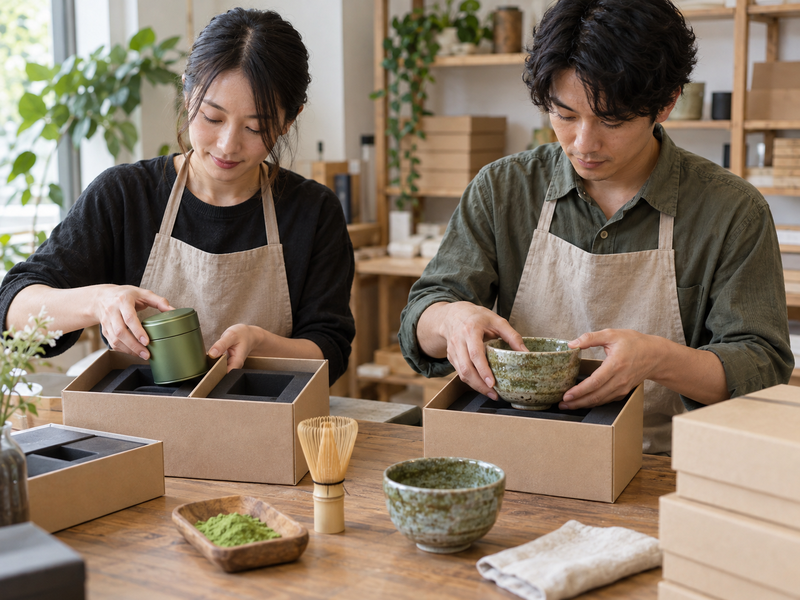
If the gift is described as a complete tea-making set, it should contain a suitable bowl, whisk, matcha, a method for portioning, and directions. A tools-only gift can still be thoughtful, provided the purchaser knows powder is absent. Open a packed sample and follow its instructions exactly. Notice what is missing: do you need a scale the card never mentions, or a sifter that appears only in the photograph? A recipient should be able to identify each item without searching online for tool names.
The first cup does not need to be perfect, but the process should be achievable. For gift buyers, a clear contents panel matters as much as a decorative lid. Retailers should test with a person who did not help design the product; their questions are a useful guide for better labels and a simpler recipe.
| First-use question | Evidence | Possible fix |
|---|---|---|
| Is powder included? | Box and contents panel | State omission clearly |
| Can they measure? | Uncoached preparation | Add a usable method |
| Is a vessel supplied? | Contents inspection | Specify what to use |
| Do directions match? | Read card beside tools | Revise printed recipe |
3. Does the powder suit their taste?
Test the intended drink
Matcha prepared with water and matcha mixed into sweetened milk place different demands on flavor. A gift giver may know the recipient’s habit, but a retail set often needs to serve many tastes. Choose a powder with a clear intended use and prepare the exact recipe in the box. Taste beyond the first sip: check texture, finish, and whether the sample supports a reasonable second serving. Review the food pack’s seal, lot details, labeling, and storage guidance.
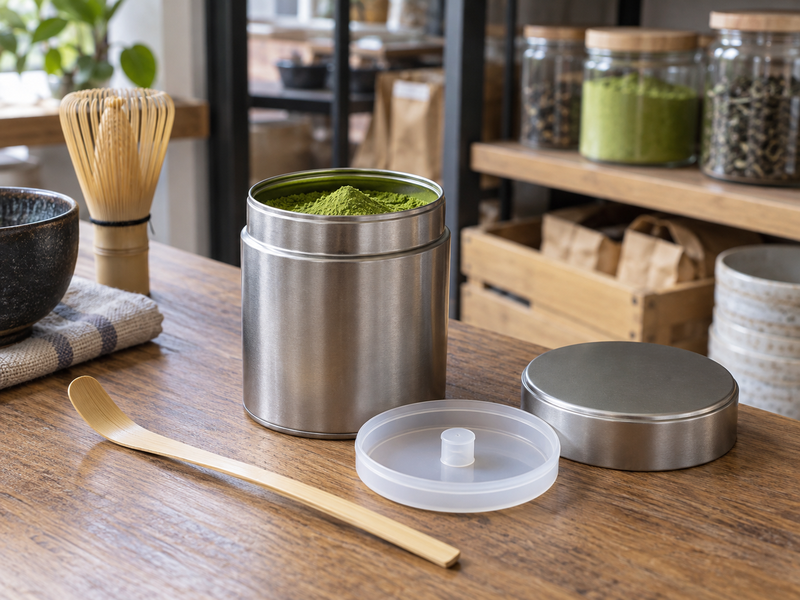
A powder tin can make a gift attractive yet be awkward to open or reclose. A tiny sample may leave no room to practice; a larger pack needs directions for care after opening. If a gift uses a blend rather than pure matcha, name it accurately. Matcha Village can supply matcha grades, blends, and branded packs, but buyers should approve the actual powder and label proposed for their market.
4. Are the tools useful rather than ornamental?
Put the set through a real preparation
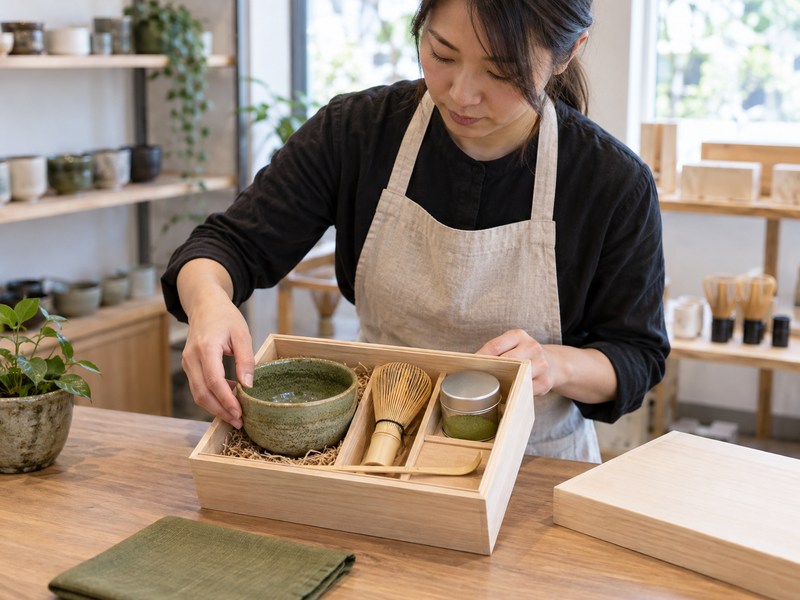
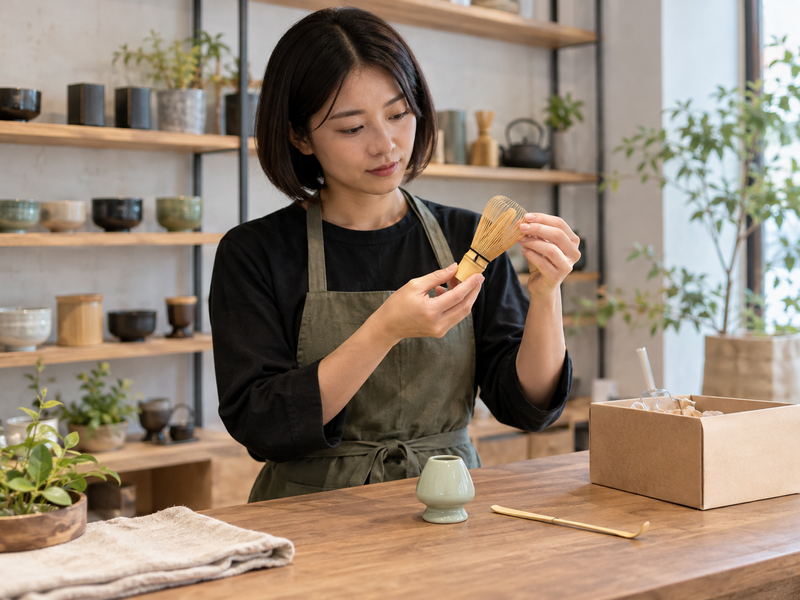
Gift tools sometimes prioritize matching colors over compatibility. A narrow bowl and wide whisk look coordinated in a photo yet feel clumsy when used together. Prepare a cup with the supplied tools, then rinse and dry them. Check whisk clearance, bowl stability, scoop fit, and whether a holder supports its whisk. Keep the useful pieces: remove one accessory at a time and see whether the experience changes. An ornamental spoon or tray may still contribute to presentation, but buyers should know that is its role.
If ceramic is included, ask for material information and any food-contact documentation relevant to the destination market. Avoid broad safety or durability claims based only on glaze appearance. The gift should remain pleasant after opening day, when the recipient sees tools as things to handle and clean rather than objects displayed under a lid.
| Tool pair | Trial | What failure looks like |
|---|---|---|
| Bowl and whisk | Make included recipe | Wall strikes or splashes |
| Scoop and powder tin | Portion several cups | Spills or blocked opening |
| Whisk and holder | Dry after rinse | Bent tines or unstable rest |
| Bowl and box insert | Unpack and repack | Chips or abrasion |
5. How should presentation support the product?
Use design to make the gift understandable
A good gift box should identify components, hold them securely, and make the recipient feel confident about the first use. Separate any food pack from ceramic edges and protect bamboo tines without making pieces difficult to remove. Place the quick recipe where it will be seen before a customer throws away the insert. Open it like a recipient: does the top view show what the set contains, or do you have to excavate layers of filler? Texture, color, and a short note can add warmth without creating excess material.
For corporate programs, branding should not obscure food labels or care instructions. Compare presentation in both photographs and ordinary room light. A premium finish that marks easily during shipping can create the opposite impression from the one a brand wants. Keep decorative details subordinate to clarity and protection.
6. Will fragile pieces survive delivery?
Test the whole shipping route
The retail box may be strong enough for a shop shelf but not for courier handling. Send a production packed sample through the actual delivery method and inspect it on arrival. Look for a chipped rim, compressed whisk tips, scuffed tin, and powder dust from a failed food pack. Shake is not a substitute for shipping: movement, stacking, and temperature changes may expose different weaknesses. For wholesale, inspect the master carton as well as individual gifts. Confirm unit count, dividers, labeling, and how cartons are stacked in storage.
For direct-to-consumer orders, test an outer mailer around the gift box. Record damage rate in a pilot rather than promising zero breakage from one sample. A replacement procedure should be clear before a seasonal campaign. One cracked bowl can spoil the entire presentation, however attractive the remaining pieces are.
| Delivery layer | Check | Buyer record |
|---|---|---|
| Inner insert | Separation of bowl and whisk | Arrival photographs |
| Retail box | Closure and surface marks | Unboxing notes |
| Outer mailer | Cushioning and fit | Shipped sample result |
| Master carton | Stack and identification | Pilot damage log |
7. What should the gift message explain?
Give recipients a welcoming first step
The message card can do more than say “enjoy.” It can tell a beginner which recipe to start with, where to find full instructions, and how to care for the whisk after the first cup. Keep marketing claims separate from practical directions. Write for the moment of opening: a short, clear note is more useful than a long story that hides the water and powder amounts. If the gift is personalized, ensure the recipient’s name does not cover an ingredient or food label.
For a corporate order, check spelling and language on several proofs before printing a large run. A QR code may add a video demonstration, but the basic recipe should remain available in the box. Recipients may use the gift weeks after delivery; a stable printed guide reduces dependence on a link that could later change.
8. How can buyers judge personalization?
Keep customization tied to the actual order
Custom sleeves, tags, cards, and powder labels can make a gift feel distinctive. They also add proofing steps and possible mistakes. Ask the supplier which components can be customized, what print files they need, and whether a physical proof will be made before production. Check the small details: names, color, ingredient statements, barcode placement, and how the branded piece looks on the final box. If a set will ship to several countries, confirm the intended language and labeling route for each market.
Do not put a marketing promise on a personalized card that the supplied powder or tools cannot support. For corporate gifting, a neutral design with a well-written card may be more versatile than a fully branded bowl that recipients will not use. Keep sign-off responsibility clear between the buyer, supplier, and fulfillment team.
| Custom element | Approval item | Risk if missed |
|---|---|---|
| Sleeve | Final proof on box | Wrong dimensions or color |
| Gift card | Names and wording | Personalization errors |
| Powder label | Market and lot details | Missing required information |
| Shipping label | Recipient and variant | Wrong delivery |
9. What happens after the powder runs out?
Give the gift a useful second life
A good gift can start a habit rather than end after a weekend. Tell the recipient how to find a suitable powder refill and replacement whisk. If the original powder was a particular blend, explain that in the contents card so a refill does not accidentally change the recipe. Keep instructions accessible outside the box, since packaging may be discarded. Think about the next cup: can the bowl and whisk still work comfortably, and can worn parts be bought separately?
For a retail brand, this is a customer-service question as well as a sales opportunity. Ask the supplier for spare-part SKUs and lead times before launch. A beautifully printed seasonal box is not a reason to make a user repurchase every tool when the matcha is finished. The Strabella gift-set guide offers gift-selection context; buyer support after opening remains a separate check.
10. How should a gifting program be approved?
Combine a user test with a shipment test
Approve the exact production configuration, not a visual mockup. Open several finished samples, prepare the included recipe, wash the tools, and ask an uncoached recipient what they believe the box contains. Send packed units through the intended delivery method. Keep a simple scorecard: record appearance, contents accuracy, food-pack condition, tool fit, clarity of instructions, damage, and refill availability. A pilot order can reveal repeated failures that a single hand-delivered sample hides. Check final artwork and food labels against the markets where gifts will be shipped.
If the program includes personalized names, verify that order data and fulfillment instructions are handled accurately. Retain one approved sample and a component specification so later cartons can be compared. A gift succeeds when the recipient can make a cup and continue using the tools, not only when the lid looks appealing.
| Approval area | Evidence | Decision |
|---|---|---|
| Recipient fit | Uncoached first-cup test | Keep or revise components |
| Presentation | Final packed sample | Approve artwork and insert |
| Delivery | Shipped pilot units | Improve protection if needed |
| Aftercare | Refill and spare list | Add support route |
A practical next step
Choose a gift set around the recipient’s likely drink, then test the exact box as a customer will receive it. Confirm that the powder and tools work together, instructions make a first cup possible, and the package protects fragile parts through delivery. Ask for refill and replacement options before committing to a seasonal or corporate program. A small pilot with real recipients will reveal where design needs another pass. The result should feel generous because it is usable and thoughtfully packed, not because it hides the most accessories under tissue paper.
FAQ
Q1: Must a matcha gift set include powder? No, but tools-only contents should be clear before purchase and on the gift box.
Q2: What should a buyer test before a bulk gift order? Make the included recipe, inspect care steps, and ship production samples through the intended route.
Q3: Is a larger box necessarily a better gift? No. A compact box with protected, useful pieces may create a better experience.
Q4: Can corporate gifts include customized powder labels? They can, subject to supplier capability and the applicable food-label requirements for each market.
Q5: What helps a recipient keep using the set? Clear care guidance, easy powder refills, and separately available replacement whisks.