
Matcha wholesale USA purchasing can involve domestic stock, an importer or a direct overseas order. Each route assigns different tasks to your team. Matcha Village is a Chinese manufacturer providing B2B product and export support. Define the offered product and receiving arrangement, then compare samples, documentation, commercial scope and replenishment terms.
Table of contents
- Which supply route are you comparing?
- Who handles the work behind a US purchase?
- What product identity belongs in the offer?
- How should samples reach a buying decision?
- Which records support a destination review?
- How can quotations use the same cost basis?
- What should a multi-location rollout test?
- How do custom packs change the project?
- What should receiving teams check?
- How should you plan the next order?
1. Which supply route are you comparing?
Identify dispatch and replenishment separately
Matcha wholesale USA searches can return sellers with goods already in the United States and suppliers quoting shipments from overseas. Ask where the actual order will dispatch from. A sales page mentioning US customers does not establish domestic inventory. Compare the offered SKU, stock arrangement and replenishment terms for each route.
A distributor may support smaller recurring purchases, while a brand or ingredient importer may evaluate a direct manufacturing offer for a planned program. Keep the comparison tied to your business rather than treating either route as universally cheaper or faster. Matcha Village operates in China and can discuss international B2B supply requirements; its company description should not be turned into a US warehouse claim.
If another party receives or distributes the goods domestically, identify that role and its commercial terms separately. Ask whether the product available now and the product proposed for future orders follow the same specification. An initial carton from stock may have different dispatch conditions from a later production order. Record those differences so your trial does not create an unsupported assumption about routine replenishment.
2. Who handles the work behind a US purchase?
Assign responsibility before accepting a direct offer
List the parties involved in purchasing, import review, transport, receiving, quality release and onward distribution. For a domestic stock purchase, several of those tasks may sit with the seller. For a direct overseas order, your team needs explicit agreements with the relevant providers. Have a qualified US import or compliance adviser confirm current requirements for the actual product and transaction. This article does not replace that review.
Send the adviser the composition, origin, intended use and proposed shipping arrangement. Ask the supplier which records it can provide and when. A general promise of export support leaves unanswered who obtains, reviews and retains each document. Record a named business contact for commercial questions and another for product or laboratory questions where appropriate. The person receiving cartons may not be the person authorized to release them.
If your distributor will supply cafés or retailers, agree how lot information reaches those customers. Clear roles help prevent a shipment sitting unused while purchasing assumes quality has approved it and quality assumes purchasing still awaits documents. Save the responsibility record with the quotation and update it if the route changes.
| Task | Question for the buying team | Record |
|---|---|---|
| Import review | Which qualified adviser reviews this transaction? | Destination requirement file |
| Transport | Who arranges each shipping stage? | Delivery terms |
| Release | Who approves product and documents? | Approval record |
| Distribution | Who tracks onward lot deliveries? | Customer shipment records |
3. What product identity belongs in the offer?
Keep grade, composition and origin distinct
Ask the supplier to identify plain matcha, a formulated latte powder or another blended product precisely. Matcha wholesale USA offers can contain different ingredients even when marketing photographs show similar green drinks. Record the product code, ingredient composition, stated origin and intended application. Grade names such as ceremonial or culinary need an offered specification and a trial; they do not establish a universal sensory standard.
Matcha Village offers several matcha grades and application products within its Chinese supply business. If your retail brief requires Japanese-origin tea, state that requirement and evaluate product-specific evidence. Do not infer origin from packaging style or a ceremonial label. Where organic wording forms part of your plan, request scope covering the exact SKU and relevant activities.
Your qualified reviewer should confirm whether the documentation supports the intended US sale. Keep a plain ingredient offer separate from an OEM blend because formulation changes create another purchasing review. The US supplier guide provides related questions for comparing supply arrangements. Give the same identity fields to every seller so responses remain comparable across domestic and overseas routes.
4. How should samples reach a buying decision?
Let the finished product determine suitability
Write the sample review plan before requesting several powders. A beverage chain should use the intended cup size, liquid ingredients and preparation method. Retail tea brands should evaluate the unsweetened preparation they expect customers to make. Food producers should test the powder within the actual process and review the finished item. Keep sample codes, supplier SKU references and preparation records together. Invite operations staff to assess weighing, mixing and pack handling as part of the trial. Procurement may prefer a price while a store team sees service delays or a product team finds unwanted bitterness.
Record those judgments separately before making the final choice. Ask the supplier how the sample relates to available commercial supply and whether a later lot needs another review. Avoid treating an attractive demonstration as a repeat-order guarantee. A useful acceptance note names the recipe, product and conditions tested. It also states any open questions about documentation or packing. That note gives the supplier something concrete to answer and prevents finance from mistaking a successful tasting for complete purchase approval.
| Application | Trial focus | Acceptance record |
|---|---|---|
| Café drink | Flavor in the chosen liquid | Recipe and sample code |
| Retail tea | Intended unsweetened preparation | Sensory notes and origin review |
| Frozen dessert | Finished item after processing | Product trial observation |
| Beverage blend | Composition and mixing behavior | Approved formulation reference |
5. Which records support a destination review?
Request relevant evidence rather than a document bundle
Collect the offered specification, available certification scope and relevant lot or laboratory records for your reviewer. Product names, supplier entities and sample identities should connect across the file. Ask what material the laboratory received and whether the report describes the powder being purchased. A report for another SKU or an unnamed sample may need clarification. Review scope, methods, units and reporting limits with a qualified laboratory or quality professional where questions arise.
A report described as passing requires an identified acceptance basis; the word alone does not answer a buyer’s question. Matcha Village can discuss testing according to customer and import-market requirements, but the actual proposed scope needs agreement. Keep food-safety records separate from sensory approval and organic claim coverage. Neither a tasting result nor a factory certificate answers every product-specific question.
Avoid interpreting FDA registration wording as a product approval or as proof that a particular shipment meets all requirements. Have the qualified US reviewer decide what the offered records mean for your transaction. Save its decision with the version of the documents reviewed rather than replacing them with a short supplier sales summary.
6. How can quotations use the same cost basis?
Define the product, quantity and delivery point
Compare matcha wholesale USA quotations only after the samples and offered identities are clear. List net quantity, unit size, currency, packing and agreed delivery terms. Then identify freight, destination handling, domestic distribution and project charges separately where they apply. Ask a current logistics or import provider for transaction-specific estimates rather than using a supplier article’s generic rates.
A domestic delivered price and a factory quote describe different scopes until those charges are aligned. Keep retail packaging costs separate from bulk powder when evaluating an OEM offer. Minimum orders may differ for the ingredient and each printed component. UnD’s wholesale guide describes its own samples, grades and supply arrangements; it provides a useful example of quotation fields, not Matcha Village prices or commitments.
Use the portion accepted in your own trial to estimate recipe cost. Do not assume two powders require the same quantity for a comparable drink. Record validity dates and purchasing conditions. Finance can then compare a real delivered program with a domestic stock route while seeing which costs remain estimates and which appear in the written offer.
| Cost field | Supplier information | Buyer information |
|---|---|---|
| Product | SKU, quantity and pack price | Accepted recipe portion |
| Delivery | Included shipping scope | Unincluded route estimates |
| Custom pack | Component and setup charges | Artwork and stock ownership |
| Reorder | Quantity tiers and conditions | Demand forecast |
7. What should a multi-location rollout test?
Check consistency of service and distribution
A chain should test the proposed product outside its development room. Have another location prepare the approved recipe with the tools and ingredients it normally uses. Record any instruction that staff interpreted differently. Those observations help improve the service brief before a wider rollout. Also test whether carton sizes, sealed unit sizes and identifying marks work for central receiving and store allocation. A warehouse may buy by carton while baristas handle individual pouches; both levels need a recognizable product code.
Matcha wholesale USA distribution plans should specify whether stock moves through one hub, a third-party warehouse or separate receiving sites. Ask each provider about its actual service rather than inferring national coverage from an address. Preserve lot identity in onward shipment records and define how stores report a discrepancy. If a replacement product is proposed during rollout, review its recipe and document fit before changing the order. Keep origin-sensitive retail packs separate from service ingredients with different substitution rules. Your rollout record should identify which locations completed the trial and which still need training.
8. How do custom packs change the project?
Separate packaging development from ingredient approval
Custom tins, pouches and single-use formats create decisions about material, artwork, assembly and inventory. Confirm the approved product before committing to printed packaging. Your brand team and qualified compliance reviewer should check the label for the actual formulation, origin and intended US sale. A standard bulk specification cannot settle all retail label questions. Ask for physical packaging samples and identify which version will become the production reference. Record the minimum quantity for each component, ownership of unused packaging and the process for artwork changes.
Matcha Village supports OEM and private label discussions, with the actual formats and terms determined by the project offer. A small retail launch may need a different packaging arrangement from a distributor supplying multiple private brands. The private label purchasing guide offers more context on organizing those choices. Plan enough time for your own approvals. A supplier cannot begin a final printed pack while several label versions remain unresolved. Keep the approved artwork file, product specification and packaging sample reference together so a reorder does not revive an obsolete design.
| Packaging decision | Confirm before ordering | Retained reference |
|---|---|---|
| Material and closure | Offered physical format | Approved pack sample |
| Label | Reviewed composition and claims | Approved artwork version |
| Component quantity | Separate packaging minimums | Written quotation |
| Unused stock | Ownership and storage arrangement | Project agreement |
9. What should receiving teams check?
Distinguish arrival from release for use
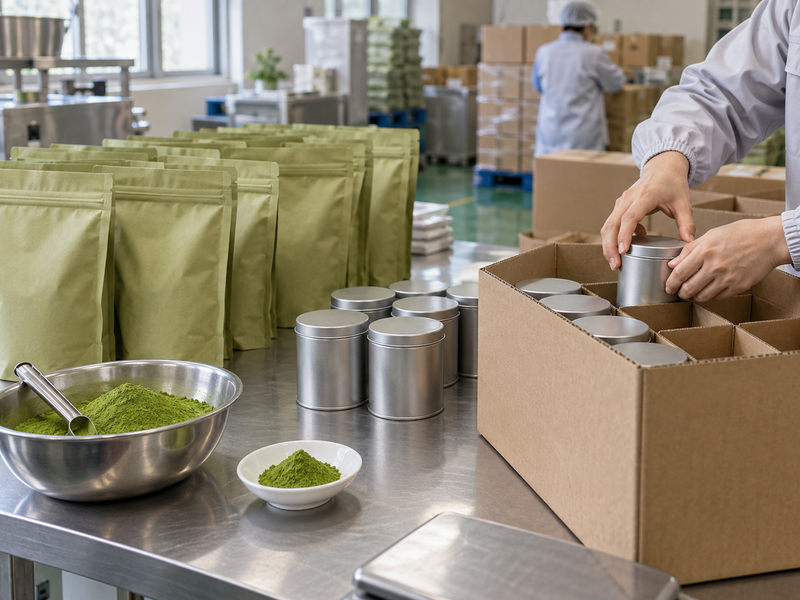
Receiving staff should compare cartons with the purchase order and record quantity, product identity, lot references and visible condition. Give them the supplier’s packing information before the delivery arrives. If seals or identification differ from the approved arrangement, route the question to the assigned reviewer. Goods can be physically present while still awaiting document or quality approval.
Keep that status clear in inventory records so stores do not draw from pending stock. Ask the supplier how discrepancies should be reported and retain photographs where they help describe carton or seal condition. Store the offered product according to its instructions and account for the real environment at your receiving site. A dock, stockroom and service counter may expose packs to different conditions.
For opened packs, use an agreed internal handling process that preserves identity and follows supplied guidance. If powder transfers into tins, receiving labels alone will not follow it unless staff record the transfer. Once the shipment is approved, save the release record with relevant documents. That file helps your business answer downstream enquiries about the product it supplied.
10. How should you plan the next order?
Base replenishment on released stock and current demand
Review actual usage, usable inventory and the purchasing interval observed for your route. A distributor reorder and a new overseas production order may require different planning. Ask about availability for the approved SKU rather than copying the previous quantity into a generic matcha request. Update the supplier on promotions, new locations or formulation changes that affect demand. Distinguish forecast estimates from confirmed commitments. Check whether product, packing, documentation or delivery arrangements have changed since the previous transaction.
Matcha Village can discuss matcha wholesale USA requirements within its Chinese B2B manufacturing and export support business. Request the next offered lot and schedule through the agreed review process. If your team considers a domestic emergency substitute, review recipe and claim compatibility before purchase. Keep the approved primary and alternative offers visible to buyers so a rushed order does not select an unrelated grade. Send the supplier a current brief with destination, quantity, format and document requirements, then attach the accepted quotation to the purchase order your receiving team will use.
| Reorder input | Review | Next action |
|---|---|---|
| Released stock | Available units and lots | Update purchasing requirement |
| Usage | Actual recipe and sales | Revise forecast |
| Supplier changes | SKU, packing and records | Route for approval |
| Delivery proposal | Dispatch and receiving scope | Confirm order terms |
FAQ
Q1: Does USA market wording prove domestic stock?
Ask where the quoted order dispatches from and how replenishment works. Market wording alone does not identify inventory.
Q2: Who should review a direct import arrangement?
Use a qualified US import or compliance adviser for the actual product and transaction. Provide composition, origin and shipping details.
Q3: Is ceremonial matcha always Japanese?
The grade term does not establish origin. Request product-specific origin evidence for any wording your business plans to use.
Q4: Can sample approval release a commercial order?
A tasting covers application fit. Your purchasing process should also resolve packing, commercial and required documentary approvals.
Q5: What changes for a chain?
Test service at more than one location, define distribution roles and preserve product and lot identity through onward deliveries.