
Matcha food defense concerns protection against intentional adulteration or tampering. Buyers need evidence that access and material handling receive deliberate review, without collecting a supplier’s sensitive security instructions. FDA defines food defense around intentional acts. A scoped questionnaire and restricted evidence review can connect that definition to the powder you order. FDA food defense.
Contents
- 1. What should a matcha food defense review cover?
- 2. How do you separate defense from routine hygiene?
- 3. What should be checked at raw material receipt?
- 4. How should sample access be reviewed?
- 5. What should you ask about powder transfers?
- 6. How should storage access be discussed?
- 7. What dispatch evidence should accompany orders?
- 8. How do you protect sensitive review documents?
- 9. What response process should the buyer verify?
- 10. How do you use the findings in supplier approval?
1. What should a matcha food defense review cover?

Define the purpose of the review
Ask the supplier who owns its food defense review and which operations it covers. Identify the sites that receive raw material, prepare powder, pack samples and dispatch your order. A company statement about security has limited use unless the supplier explains the boundary of the reviewed operation. Keep the questions tied to your product and commercial relationship.
Your matcha food defense review can request evidence of responsibility, current review status and a route for reporting concerns. It need not collect detailed access layouts or alarm arrangements. Discuss what the supplier can share through a questionnaire and what requires a private review by authorized quality personnel.
Agree what evidence may be shared. Avoid promising that a short questionnaire proves protection against every intentional act. It helps buyers identify missing responsibility and follow up on relevant controls. FDA notes that its intentional adulteration rule requires food defense plans at covered facilities; applicability requires a separate review of the actual operation. FDA overview.
| Review item | Buyer request | Disclosure boundary |
|---|---|---|
| Responsibility | Named function and contact | Business contact only |
| Scope | Sites and covered activities | No detailed access map |
| Current review | Date and approval status | Restricted evidence if needed |
2. How do you separate defense from routine hygiene?
Ask questions with a defined scope
Routine hygiene questions examine practices such as cleaning, personnel hygiene and material handling. Food defense questions examine how an operation addresses deliberate interference. A supplier may manage both through related teams, but a cleaning record alone cannot answer whether unauthorized access has received review. Tell the supplier which question you are trying to resolve.
For matcha food defense, ask how the company assigns responsibility when a suspicious observation arises. The buyer needs the reporting route, disposition authority and communication process. Detailed site security arrangements can remain restricted. This approach avoids turning a procurement folder into an uncontrolled copy of security information.
Request a defense-specific response. A general food safety certificate may form part of the background, depending on its scope. Ask how the supplier connects the management system to the relevant handling activities. Record an unanswered question openly rather than mark a standard certificate as evidence for every control in your questionnaire.
3. What should be checked at raw material receipt?
Review integrity and handover records
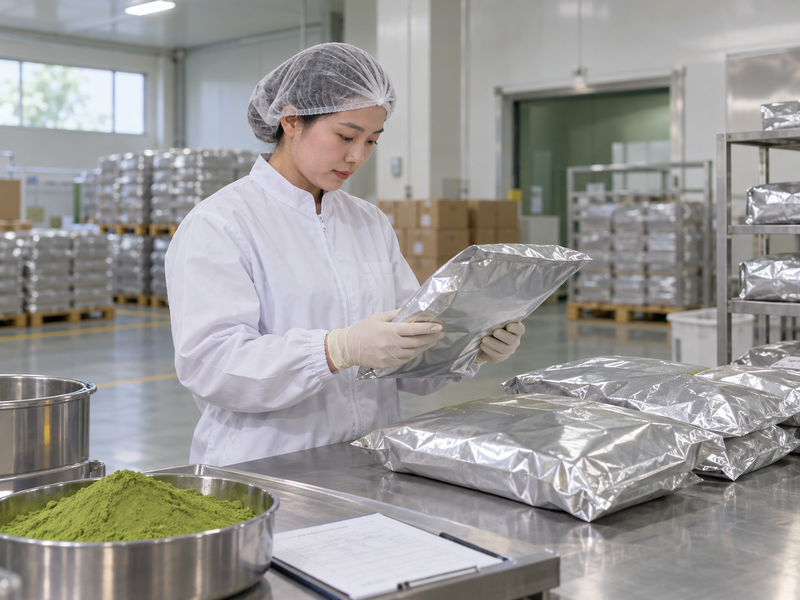
Ask how the supplier confirms an incoming delivery’s identity and condition before accepting it. Useful topics include expected consignment information, package integrity, discrepancies and the authority for holding questionable material. The buyer can request a summary or an anonymized record that shows the decision trail without exposing receiving schedules or site access details.
A matcha food defense question should follow material ownership through handover. Ask who decides whether a damaged or unexplained package may enter normal stock. A procedure that describes observation but leaves disposition unclear creates a gap in the evidence. Record the function responsible and how it documents the outcome.
Ask how exceptions are handled. In an illustrative review, a buyer might ask for a redacted example of a delivery discrepancy and its closure. This is a suggested evidence exercise, not a report of tampering or a supplier incident. The record should explain material status, investigation responsibility and the authorized decision.
| Receipt topic | Evidence to discuss | Buyer question |
|---|---|---|
| Delivery identity | Consignment match | Who resolves discrepancies? |
| Package condition | Integrity inspection | What triggers a hold? |
| Disposition | Authorized release record | Who can release material? |
4. How should sample access be reviewed?
Include small quantities in the scope
Commercial samples move through different hands from production orders. Ask who prepares them, how they receive product and lot identities, and how the supplier controls access to retained and outgoing samples. A small sample can influence a large purchasing decision, so its handling deserves a clear record even when it follows a separate packing route. For matcha food defense, discuss how a buyer can identify the intended recipient and report an unexpected package. Keep sample requests and dispatch confirmations in the same file. If an agent forwards the material, establish responsibility for that handover. Do not assume an informal courier arrangement follows the supplier’s normal dispatch process.
Confirm the sample’s custody route. Request sealed packaging suitable for the sample and enough identification to match it with the supplier’s dispatch record. A seal indicates a condition that staff can inspect; it does not establish the powder’s composition or certify its safety. Those questions need product and analytical evidence.
5. What should you ask about powder transfers?
Review access responsibility at handling stages
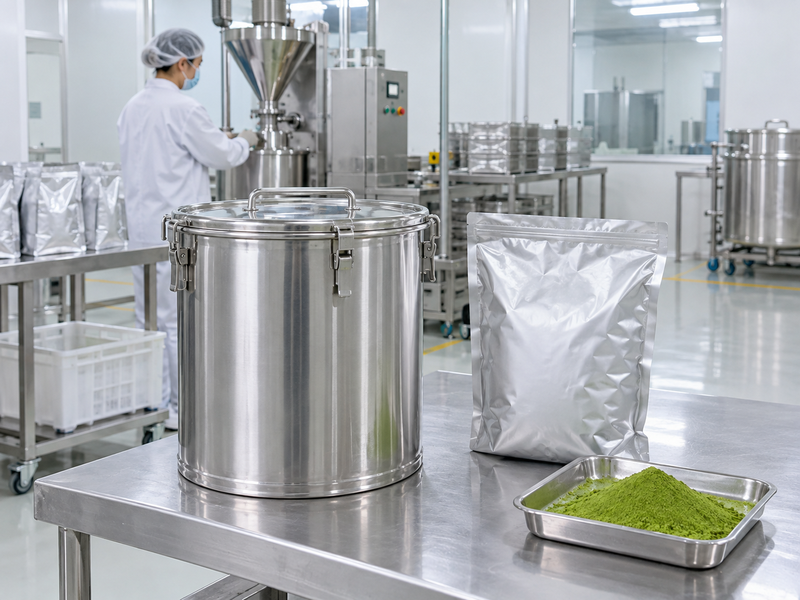
Describe the relevant operation at a high level, such as transferring powder into an approved container or feeding a packing line. Ask whether these activities are included in the supplier’s food defense review and who supervises access. The buyer can confirm responsibility without asking the supplier to describe exploitable weaknesses or exact security settings.
Matcha food defense evidence should address changes in material status. Ask how the supplier identifies a container before transfer and confirms the destination afterward. If a process pauses, ask who owns the material until work resumes. These questions concern accountability and records rather than a prescription for a supplier’s security design.
Follow the handover record. Select one suitable, redacted example connecting the source material, destination and operator responsibility. Avoid demanding a public photograph of every handling point. Ask the supplier to use a controlled review channel when the evidence reveals information that its security team considers sensitive.
| Handling stage | High-level question | Evidence boundary |
|---|---|---|
| Before transfer | Who identifies the material? | Redacted record |
| During a pause | Who owns the container? | Responsibility summary |
| After transfer | How is destination confirmed? | Lot-linked handover |
6. How should storage access be discussed?
Check authorization and material status
Ask how the supplier distinguishes authorized work from casual access in material storage areas. Request a summary of responsibility and how changes in personnel permissions receive review. Keep the conversation away from exact access arrangements, staffing patterns or technical security settings. Your approval file should establish that the topic receives management attention.
In a matcha food defense questionnaire, distinguish normal stock from material on hold, returned material and samples. Ask how staff can recognize each status and who can change it. A buyer may receive a redacted storage record or a supervised explanation rather than a floor plan. Document the evidence type and the reviewer.
Check the authority for status changes. If a supplier uses an outside warehouse, ask who manages the handover and how relevant concerns reach the contracting supplier. The answer should identify responsibility for your material. Do not extend a statement about one factory’s storage controls to every external location in its supply chain.
7. What dispatch evidence should accompany orders?

Connect product identity to the handover
Agree the dispatch information that lets receiving staff recognize the expected consignment. Product code, lot identity, pack count and consignee information are useful fields. Ask how the supplier records package condition and handles deviations before handover. Choose fields that your receiving team can compare against the order and transport documents.
Matcha food defense review also needs a contact for a shipment that arrives with unexplained damage or inconsistent information. Establish who can place material on hold while questions are resolved. Do not write a public article or ordinary purchase order containing detailed transport security arrangements. Maintain any restricted evidence through the agreed channel.
Compare the delivery with the dispatch record. An illustrative check might identify a pack count discrepancy and ask the supplier for its handover evidence. That exercise does not imply intentional interference. It gives your team a defined response instead of allowing uncertain material into production while correspondence remains unresolved.
| Dispatch field | Supplier record | Receiving comparison |
|---|---|---|
| Product and lot | Packing list | Order and bag identity |
| Pack count | Dispatch count | Delivered count |
| Condition exception | Approved disposition | Hold or acceptance record |
8. How do you protect sensitive review documents?
Set access before requesting files
Tell the supplier who will examine restricted evidence and why that person needs it. Use your company’s approved document sharing arrangements. Ask whether the supplier prefers a supervised review, redacted report or limited access folder. Purchasing staff should not forward sensitive files across a broad mailing list because several teams share supplier approval duties. The matcha food defense file can record the review date, scope, reviewer and outcome without storing every sensitive attachment. Keep enough information for an authorized colleague to understand what evidence supported the decision. If a document is not retained, record the source and how an authorized reviewer can request access again.
Limit circulation to the review purpose. Check retention and access when staff change roles. Remove obsolete copies through your normal document process. Avoid publishing photographs or excerpts that reveal security arrangements. A useful supplier review can establish accountability while preserving confidentiality for both the supplier and the buyer.
9. What response process should the buyer verify?

Establish a communication path
Ask how the supplier receives and escalates a food defense concern. The buyer needs current business contacts, an out-of-hours route where agreed, and clarity about who can decide product status. Verify that the route covers the contracting supplier and any relevant outside operation. Keep personal security details out of ordinary procurement records.
Your matcha food defense agreement should explain what information the buyer provides about an affected delivery. Record product, lot, package condition and the known timeline. Avoid speculation about an intentional act before the responsible investigation establishes facts. Follow the supplier’s and your company’s approved escalation procedures for potentially affected material.
Test communication without simulating an attack. A documented contact check can confirm that an authorized inquiry reaches the responsible team. Label the exercise clearly and agree its scope beforehand. Record response and missing contacts. The exercise checks communication; it does not validate the full site defense system or establish protection against every event.
| Communication item | Agree with supplier | Keep current |
|---|---|---|
| Routine concern | Responsible quality contact | Name and business route |
| Urgent concern | Agreed escalation route | Availability arrangement |
| Product status | Decision authority | Release or hold record |
10. How do you use the findings in supplier approval?
Record scope and unresolved questions
Use the supplier audit guide when planning the wider approval review. Write a short approval note identifying reviewed sites, activities, evidence and open questions. Your team may accept the evidence, request more information or set a follow-up condition. Tie the decision to the ordered powder and handling chain. A general assurance statement should not become an unconditional approval for products or sites never reviewed.
Ask Matcha Village about bulk supply and customized packaging support. Ask how the proposed order moves through the relevant sites and sample or dispatch arrangements. Treat those company descriptions as a starting point for questions. Request current, scoped evidence before stating that any particular operation meets your approval requirements.
Keep the follow-up owner visible. Revisit matcha food defense questions when a relevant site, service provider or handling arrangement changes. Set review frequency from your company’s requirements and the evidence obtained. Close each open item with a recorded answer so purchasing can see whether the proposed configuration is ready for ordering.
FAQ
Q1: What does matcha food defense cover?
It addresses protection against intentional adulteration or tampering within the relevant material and handling operations.
Q2: Is a hygiene checklist enough?
A hygiene checklist answers different questions. Request evidence of defense responsibility, review scope and concern escalation.
Q3: Should buyers obtain detailed security plans?
Use scoped summaries or restricted reviews. Collect only the information needed for supplier approval and protect sensitive details.
Q4: Does a tamper-evident seal prove powder safety?
A seal supports an integrity check. Product identity, analytical evidence and the handling record answer separate questions.
Q5: When should the review be updated?
Follow your company’s review schedule and revisit relevant changes in sites, handling responsibility or outside storage and transport arrangements.
Prepare a short questionnaire covering responsibility, receipt, samples, transfers and dispatch. Agree a restricted channel for evidence before requesting sensitive records. Send the supplier your proposed product and site scope, then assign a quality reviewer who can document the outcome and follow up on any unanswered questions.