
The best organic matcha powder for a B2B buyer is the certified product that works in a defined recipe, arrives in a usable pack and remains available at an acceptable cost. Consumer rankings rarely test those conditions. Build a short comparison with coded commercial samples, current operator evidence and one preparation method. Our matcha reference sample guide offers a way to keep the chosen benchmark visible when later lots arrive.
Contents
- 1. Best for which customer and application?
- 2. How should a buyer build a fair shortlist?
- 3. Which organic evidence belongs beside each sample?
- 4. What should a blind sensory trial measure?
- 5. How does the powder behave in the real recipe?
- 6. Which packaging choices affect daily use?
- 7. How can buyers judge lot consistency?
- 8. What documents and changes affect approval?
- 9. What is the cost of a usable serving?
- 10. How should the winning powder be recorded?
1. Best for which customer and application?
Give “best” a working definition
A straight-tea product, a café latte and a baked dessert expose different qualities in matcha. Before asking suppliers for their top grade, write down the intended use, serving size, target flavor and expected staff method. A powder that seems delicate in water may disappear beneath milk and sweetener. Another may taste strong in water yet work beautifully in a biscuit. Neither result makes one product universally better. Define the outcome customers need, then ask what the business is willing to pay and what origin or organic claim it plans to make.
Pick three acceptance points. For a latte they might be color after mixing, balanced taste at the standard dose and no troublesome sediment during service. For a retail tin they might be aroma, mouthfeel and a documented source claim. Add a hard condition for the certified status relevant to the selling market. Keep preferences such as a preferred region separate. This short brief prevents purchasing from rewarding the most expensive sample merely because it carries a premium name. It also makes rejection specific enough to explain to a supplier.
2. How should a buyer build a fair shortlist?
Screen before tasting
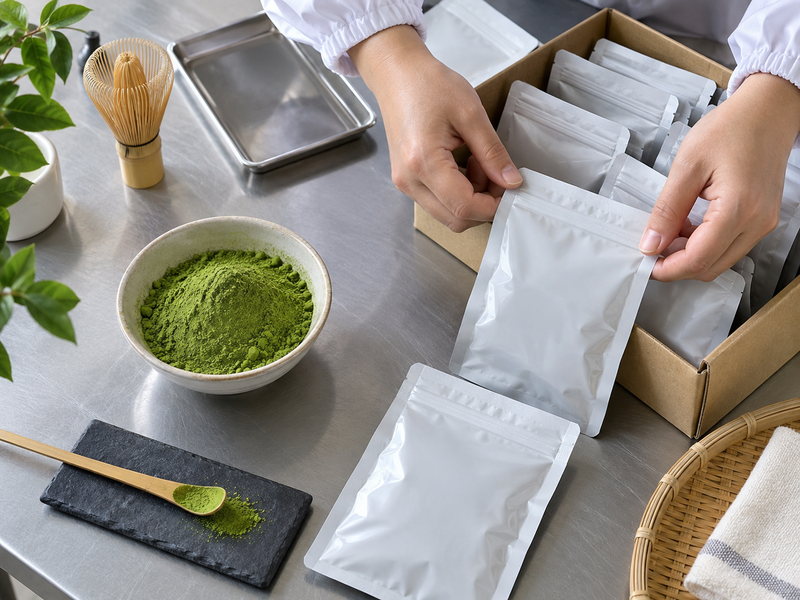
Invite suppliers to offer a named commercial grade, not an unlabeled tasting pouch. Ask for item code, ingredients, intended pack, source description and a current organic-scope document. Remove candidates that cannot meet a hard requirement, while keeping an “open” status for evidence still being supplied. A small but credible shortlist is easier to test with care than a box of powders collected from unrelated retail products. Ask whether the quoted grade can support your estimated order frequency.
Give each candidate the same instructions. Specify sample quantity, application and documentation deadline. If one seller sends a latte premix and another pure matcha, split the comparison; they are different ingredients. If a supplier’s organic document covers a plant but not the packed item, hold that candidate for clarification rather than scoring it as a pass. Record sample receipt date and code. The shortlist should show why each product deserves a test and what decision remains open before an order. That discipline matters more than the number of brands invited.
| Screening field | Pass evidence | If missing |
|---|---|---|
| Commercial item | SKU and pack | Clarify offer |
| Organic status | Current operator scope | Hold claim |
| Application | Relevant sample | Request correct grade |
| Supply | Written availability | Keep as trial |
3. Which organic evidence belongs beside each sample?
Check the chain, not a badge
The buyer should know which farms or source operators, tencha processors, mills and packers handle the proposed SKU. Ask for certificates or official status records relevant to those activities. For US sourcing, the USDA Organic Integrity Database can help verify certified operations. A different market may use another program; compliance or the importer must identify the right route. A logo on a sales sheet cannot show whether the sample lot was handled within the declared scope.
Attach evidence to the code. Ask the supplier to show how the sample’s material and finished lot numbers relate to the certified chain. If source names are commercially sensitive, request a controlled source statement and masked transfer record. Keep certification review separate from sensory scoring so an appealing taste does not obscure a claim gap. Conversely, a perfect document set does not mean the powder will work in your product. Give each candidate two columns: organic claim status and application result. A winner must pass both.
4. What should a blind sensory trial measure?
Make tasting repeatable
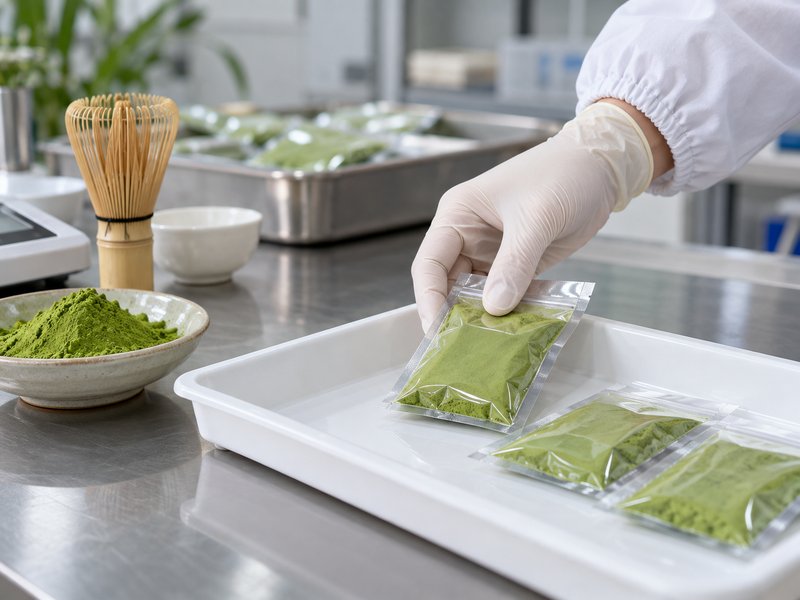
Have someone outside the tasting group code the samples. Use the same powder weight, water volume, temperature, whisk or mixer and serving vessel. Ask panelists to note aroma, bitterness, body, texture and aftertaste in ordinary language. Capture color at a defined time under the same lighting. A broad “green” or “smooth” comment will not help resolve a close decision. Give evaluators a small scoring guide based on the product target rather than asking them to rank everything by personal preference.
Record disagreement. If one panelist likes a stronger bitterness and another rejects it, ask whether the intended customer or recipe answers the dispute. Do not invent a consensus. A supplier may suggest a different dose; test that as a separate formulation and note its cost. Keep the sample identity hidden until notes are complete. This approach does not turn tasting into a laboratory measurement, but it reduces brand and price bias. It also provides useful feedback for suppliers whose powders are close but not right for the proposed item.
| Sensory point | Same condition | Useful note |
|---|---|---|
| Aroma | Open and prepare alike | Specific descriptors |
| Texture | Same mixing method | Graininess or body |
| Flavor | Same dose | Balance in use |
| Color | Same light and time | Appearance target |
5. How does the powder behave in the real recipe?
Move beyond a water tasting
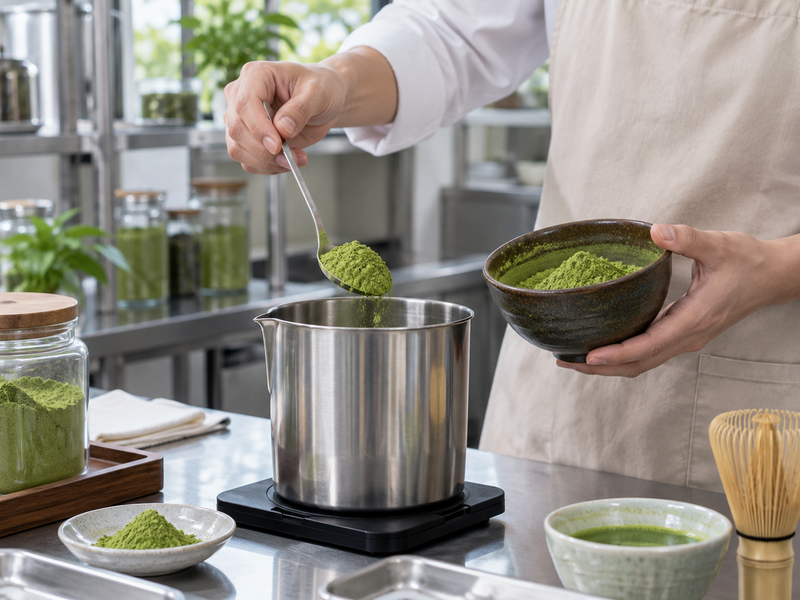
Run the leading candidates through the production method the business will use. A café needs the planned milk and serving temperature; a beverage plant needs its base and mixing sequence; a bakery needs its bake cycle. Measure how long staff take to disperse powder and whether clumps or sediment persist. Observe color after the normal hold period rather than only at the moment of mixing. These details can outweigh a small difference in straight-tea tasting when customers rarely drink the powder that way.
Keep recipe changes visible. If a candidate needs more powder or a new premixing step, document both. A stronger grade might use less per serving; another might reduce waste because it handles more predictably. Do not claim either advantage until the team has measured it in the actual process. A consumer reviewer may value qualities that matter little in a commercial drink. Your application trial should answer whether the organic matcha powder fits your staff, equipment and finished-product promise. Retain the tested sample so a later lot can be compared fairly.
6. Which packaging choices affect daily use?
Test the unit staff will open
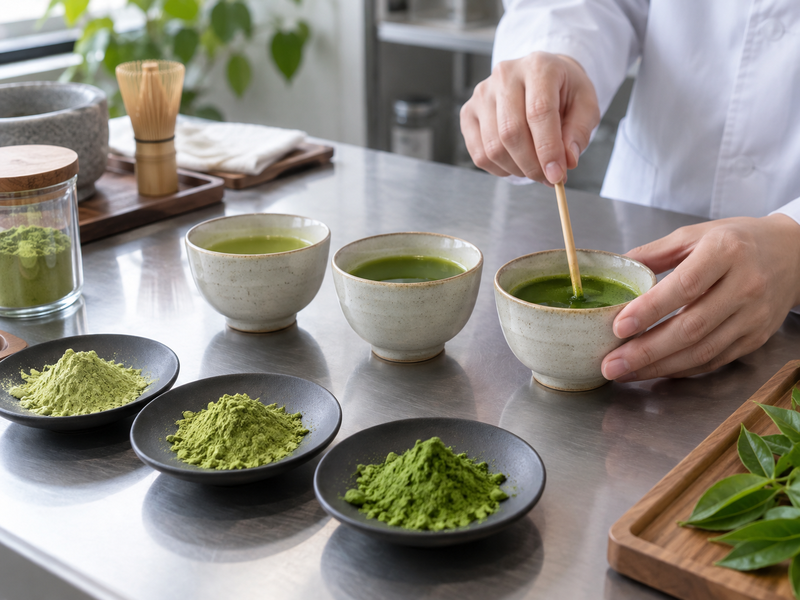
Ask for a packing sample in the format proposed for routine orders. A small retail pouch may be convenient for a tasting but irrelevant to a bakery opening bulk bags. Check opening, resealing, dispensing, storage space and the legibility of lot codes. A chain using many cafés may prefer smaller units to reduce open-pack handling. A central food plant may prefer a larger pack that fits its weighing and inventory procedures. The correct choice depends on the operation, not a universal “premium” presentation.
Ask the packer practical questions. How does it match the correct artwork and item code to the powder? What closure checks happen during production? What should a receiving team do with a damaged seal? Request storage guidance for the specific product and pack rather than copying a general article’s shelf-life claim. If the supplier offers private-label packaging, separate artwork approval from powder approval. The best powder can create avoidable waste when delivered in a pack that staff cannot use consistently.
| Pack field | Trial question | Owner |
|---|---|---|
| Size | Fits use rate? | Operations |
| Closure | Handles open storage? | Quality |
| Code | Readable at receipt? | Warehouse |
| Artwork | Correct claim version? | Brand |
7. How can buyers judge lot consistency?
Compare later production
Ask for coded samples from at least two production lots if the supplier can provide them. Prepare each using the same method and compare with the retained approval sample. Matcha can vary with source material and processing, so a single excellent pouch should not carry an ongoing purchase program by itself. Define what your business can tolerate in color, flavor, texture and handling. A recipe with chocolate may accommodate differences that a plain iced latte exposes immediately.
Ask how the supplier manages variation. Does it blend within an approved source set, grade material after milling or offer seasonal lots separately? Which changes would trigger a new sample and buyer notice? Do not ask for impossible sameness; ask for a controlled product within a workable range. If the best-scoring sample is a limited lot, the business might use it for a seasonal release and select a more repeatable grade for routine sales. That is a product decision, not a failure of the tasting exercise.
8. What documents and changes affect approval?
Give quality a clear package
Request a specification, ingredient statement, pack description, source and site map, current organic evidence and an example lot report. The quality team should decide which testing fields matter for the product and destination. Check units, methods and lot codes on reports. Ask who can approve a source, mill or packer change and what notice the buyer will receive. A certificate issued to one operation does not automatically cover every partner named in a brochure.
Put approvals in sequence. The product developer can confirm recipe fit while quality checks records and compliance reviews the organic claim. Purchasing may negotiate price, but it should quote the same grade and pack being approved. Mark documents as received, reviewed or open instead of placing every PDF into one folder and calling it complete. A candidate can remain promising while a specific question is pending. The scorecard should say exactly which missing item prevents a first order, and who will resolve it.
| Approval question | Document | Decision owner |
|---|---|---|
| What is sold? | Specification | Quality |
| Why organic? | Operator scope | Compliance |
| Which lot? | Batch report | Quality |
| What changed? | Notice record | Purchasing |
9. What is the cost of a usable serving?
Compare current offers after the trial
Request a quote for the named SKU, pack size, quantity, currency and delivery point. Calculate ingredient cost at the dose that actually met the recipe target. Add the business’s freight, testing, storage and handling assumptions. A powder with a lower price per kilogram may cost more per finished drink if staff need a higher dose or discard clumped material. Keep supplier quotes separate from estimated costs so finance can see what is firm and what still needs a route or contract.
Price claim integrity too. If one product needs extra labeling work or a changed certification route, include that project cost and timing. Do not assume an organic premium is justified simply because a consumer ranking praises the brand. Ask whether the offer is for available stock or a future lot and whether the same grade can be replenished. A fair commercial comparison includes product performance, current evidence and order terms. Cheapest and most expensive are both poor labels for a decision that has not measured usable output.
10. How should the winning powder be recorded?
Approve an item, not a ranking
Write a short decision memo naming the chosen SKU, sample and lot codes, recipe method, sensory result, organic evidence, pack and quoted terms. State which alternatives failed hard requirements and which might fit another application. Give operations the preparation instruction that produced the accepted result. Give receiving a carton and lot-code example. Keep the supplier’s change-notice contact in the file so the approval remains useful after the initial buyer moves on.
Plan the first repeat check. Compare an incoming commercial lot with the retained sample using the same recipe. If the result differs, hold a specific discussion with the supplier before changing the formulation or label. Matcha Village’s provided profile includes organic matcha in its product range, but the winning SKU still needs current operator evidence and a production-linked sample. The best organic matcha powder for your business is the one your team can repeatedly prepare, document, receive and reorder under the claim it intends to make.
| Final record | Purpose | Owner |
|---|---|---|
| Coded sample | Sensory benchmark | Product team |
| Organic file | Claim support | Compliance |
| Pack sample | Receiving standard | Operations |
| Quote | Purchase basis | Purchasing |
FAQ
Q1: Does a high consumer ranking identify the best wholesale grade? No. It may suggest candidates, but commercial samples need your own recipe and documentation review.
Q2: Should every candidate use the same dose? Begin with a common dose, then test supplier-proposed adjustments separately and record the cost.
Q3: Does organic certification guarantee good color? No. Evaluate color under the lighting and hold conditions of your product.
Q4: Can a limited lot be the winner? Yes, if the business plans a finite release and does not promise routine replenishment.
Q5: What should trigger reapproval? A meaningful change in source, processing site, formulation, pack or organic scope.
Final thought
Choose a powder by the work it must do, then check the certified chain and commercial route behind it. A clear benchmark, a fair recipe trial and a named SKU make the result more useful than any general top-ten list.