
Matcha wholesale in India involves two buying decisions. A café must choose powder that works in its menu; an importer or brand must also arrange the right commercial route and documents for the specific shipment. Price per kilogram answers neither question on its own. This guide shows how to compare local distribution with direct import, run a recipe trial, calculate usable cost, and assign responsibilities before placing a larger order. For import procedures, use current Indian official sources: FSSAI’s food-import page, DGFT’s importer guidance, and ICEGATE’s import trade guide. Requirements and charges depend on the actual product and transaction.
Contents
- 1. Who will use the matcha and for what product?
- 2. Should the buyer use a distributor or import directly?
- 3. How should matcha samples be compared?
- 4. Which specification belongs on the purchase order?
- 5. How should an India buyer check import responsibilities?
- 6. What belongs in the document and label review?
- 7. How should landed cost be calculated?
- 8. Which pack size fits local operations?
- 9. What should the delivery and receiving plan cover?
- 10. How can buyers qualify repeat supply?
1. Who will use the matcha and for what product?
Start with the finished drink or food
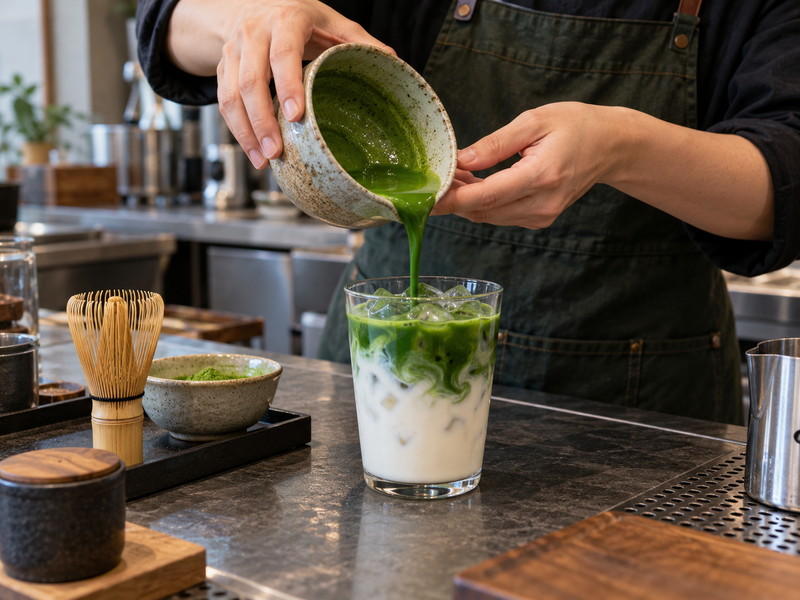
An independent café may need one powder for iced lattes. A bakery may care more about flavor after heating, and a retail brand may sell plain powder to customers who whisk it with water. Those applications call for different trials. Write a brief with the intended formula, target serving, color and flavor expectations, estimated monthly use, and selling channel. Do not ask for “the best grade” without describing the product that customers will receive. A candidate that tastes excellent in plain water might be hard to notice under sweet milk and ice.
Separate straight matcha from sweetened beverage mixes when comparing quotations. An ingredient list, dose, and customer label can change when sugar or milk ingredients are already blended into the supplier’s powder. For a café, trial with its actual water, milk, sweetener, and service temperature. For a brand, keep a sealed reference sample and record the product code. This application brief helps a seller recommend suitable options and gives purchasing a fair basis for comparing samples from several suppliers.
| Buyer type | Main test | Buying record |
|---|---|---|
| Café or chain | Finished drink consistency | Recipe and gram dose |
| Bakery or manufacturer | Result in finished food | Process trial and sample ID |
| Retail brand | Powder, pack and label | Approved reference SKU |
| Distributor | Fit for multiple customers | Separate use cases and pack options |
2. Should the buyer use a distributor or import directly?
Compare the work each route assigns
A local distributor can supply smaller quantities, local invoices, and shorter replenishment in some cases. Direct import may offer more control over an approved product, custom packaging, or volume schedule, but it also creates work around importing, clearance, documentation, freight, and stockholding. Ask both routes for the same product and pack basis before comparing numbers. If a distributor cannot identify the source product and lot, the buyer may struggle to repeat a successful recipe. If a direct supplier cannot support the selected pack at the required cadence, a lower origin price may not help service.
Map responsibility in one page: who acts as importer, who arranges transport, who receives documents, who clears the goods, and who handles a rejected or damaged lot. A distributor quote should state whether local delivery is included and how long its quoted stock can be held. A direct-import quote should state the delivery term and named place. Do not assume every café needs to import for itself; many will test demand more safely through an accountable local commercial supplier before considering larger direct purchases.
| Route | Possible operational benefit | Check before selecting |
|---|---|---|
| Local distributor | Smaller order and local delivery | Lot identity and repeat stock |
| Direct import | Product and pack control | Importer role and landed cost |
| Combined route | Trial locally, scale later | Same SKU and sample across routes |
3. How should matcha samples be compared?
Use one recipe and blind the labels
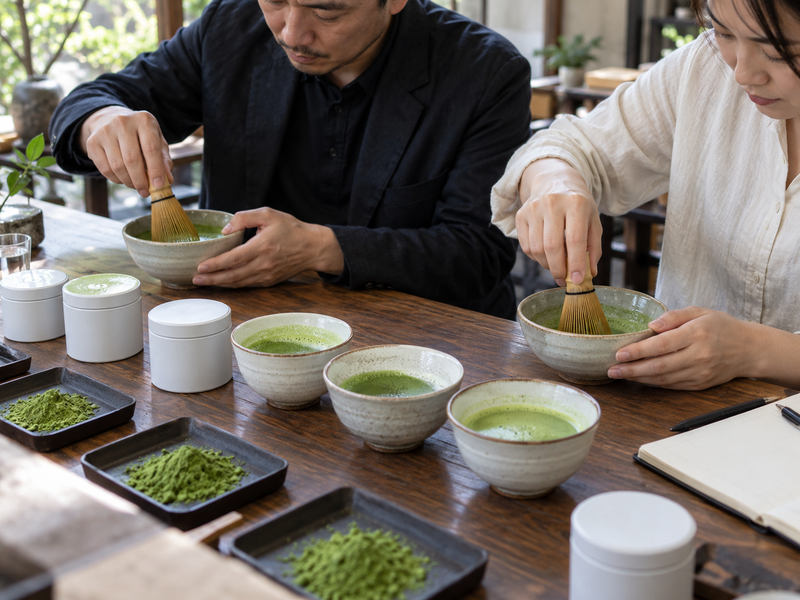
Request samples with supplier code, lot, ingredient statement, and recommended storage instruction. Limit the first trial to candidates for the same intended use. Weigh each powder, use the same liquid and serving size, and prepare each drink with the site’s ordinary equipment. Taste under coded labels so a claimed grade or origin does not decide the result. Score visible color, tea flavor, bitterness, texture, and finished-drink cost. Repeat the trial on another day or with another operator before approving a high-volume purchase.
If the buyer expects to serve both a plain matcha and a sweet latte, test both applications separately. A single score would hide a powder that excels in one and fails in the other. Keep photographs under consistent light; a phone filter can make color comparisons useless. Research comparing matcha powders for beverage applications measured differences among products, but a local buyer’s recipe remains the commercial test. Ask the supplier whether the quoted bulk lot matches the sampled product specification.
4. Which specification belongs on the purchase order?
Describe the product that passed the trial
Put the supplier SKU, approved sample code, ingredient statement, pack size, storage instruction, lot marking, date marking, and agreed documents on the order. Add any product attributes the buyer has a valid way to test and needs for its application. A retailer may require approved packaging artwork and a label review; a café may need larger inner bags with reliable closure. Avoid relying on grade words without definitions. “Premium” alone does not tell the receiving team whether the delivered powder is the one staff tested.
Agree on a change process. If origin, blend, pack, or product code changes, the seller should notify the buyer before shipment so the recipe and document checks can be repeated. Keep an approved sample for comparison, but do not pretend that a sample alone determines every safety or regulatory question. A quality lead should choose appropriate documents and tests for the destination and product. The written specification makes disputes narrower: both sides can compare an arriving lot with the same agreed details rather than a marketing description remembered differently by each team.
| Specification item | Evidence | Review trigger |
|---|---|---|
| Product identity | SKU and sample lot | Supplier proposes a change |
| Formula | Ingredient statement | Blend or additive changes |
| Packaging | Inner pack and label artwork | Pack supplier or size changes |
| Lot documents | Agreed per-shipment records | Missing or mismatched papers |
5. How should an India buyer check import responsibilities?
Verify the actual importer and current rules
Identify the Indian entity that will import the goods and have its customs adviser review the transaction before paying for production. The DGFT’s IEC guidance describes who generally applies for an Importer-Exporter Code and notes exemptions. The FSSAI food-import page describes the food import framework and its clearance system. Which registrations, licences, approvals, or declarations apply to a particular business and product should be checked with those current official systems and qualified local advisers.
Do this before choosing a route, because a café buying from a domestic distributor has a different operational role from a company importing pallets in its own name. Ask the prospective importer to confirm its legal identity, responsible contact, and document checklist. If a service provider handles filing, clarify which party remains responsible for information supplied. Do not accept a supplier’s statement that “all India paperwork is included” without seeing which documents it will provide and which actions the Indian buyer must complete.
6. What belongs in the document and label review?
Review before artwork and shipment are locked
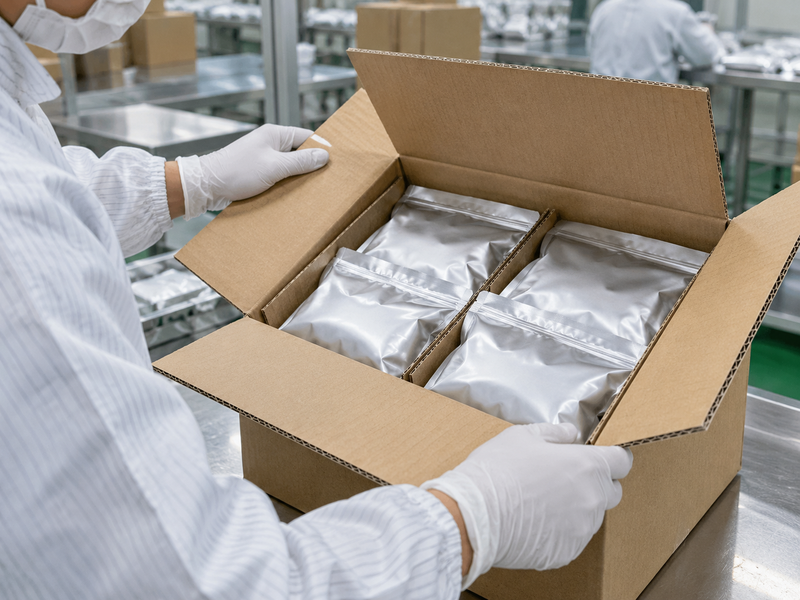
Ask the importer and food-compliance lead to review the exact product description, ingredients, country of origin, intended sale format, label artwork, lot and date fields, and shipment documents. The supplier should provide its proposed invoice, packing list, product specification, and any agreed lot-specific record early enough for corrections. FSSAI’s food-import clearance overview describes its import review and integration with customs systems. It is a starting point for current procedure, not a substitute for a classification or label decision on this SKU.
Do not copy a retail label from another market onto an India pack without review. A bulk ingredient headed to a manufacturer and a consumer tin sold online can raise different presentation questions. If the buyer needs organic or other claims, request evidence for the exact product and market; a logo on a brochure is insufficient. Document the approved label revision and who signed it off. A small delay before printing thousands of tins is easier to manage than discovering a discrepancy after the cases arrive at a port.
| Review object | Supplier provides | India-side reviewer checks |
|---|---|---|
| Product file | Specification and ingredients | Product description and use |
| Commercial papers | Invoice and packing list draft | Match to order and importer |
| Pack artwork | Exact language and fields | Current local requirements |
| Lot record | Code and date format | Receiving and traceability |
7. How should landed cost be calculated?
Use the current product classification
Start with the quoted product and freight basis, then add transport, insurance if applicable, customs-related charges, clearance fees, testing or inspection expense where applicable, local delivery, and storage. Ask the importer or broker to confirm the current tariff classification and duty treatment for the exact product, origin, and transaction. India’s ICEGATE trade guide offers an official lookup by tariff heading or description and country of origin. Do not lift a duty percentage from a generic matcha blog post into a purchase model.
Express cost per usable kilogram and per finished serving. A low origin price may be outweighed by a large MOQ, short remaining dated life, or a pack that exposes too much powder at a small café. Compare scenarios using a realistic first order and repeat order, with assumptions printed beside each total. Ask when the quote expires and what exchange-rate basis purchasing will use. The landed-cost sheet should show uncertain amounts as estimates until the broker and service providers confirm them, so the café does not treat a working model as a final invoice.
| Cost component | Source | Status before commitment |
|---|---|---|
| Powder and packing | Supplier quotation | Confirmed SKU and quantity |
| Freight and insurance | Forwarder or delivery quote | Confirmed route and term |
| Duties and clearance | Official lookup plus broker | Verify current classification |
| Local storage and waste | Buyer operations | Estimated from actual use |
8. Which pack size fits local operations?
Match the inner bag to consumption
An inner bag should fit the outlet’s use rate and storage practice. A small café can open one sealed bag while keeping the rest protected; a central kitchen may prefer a larger pack that connects to its controlled dispensing process. Calculate expected drinks multiplied by matcha grams per drink and compare that with a site’s weekly issue record. Do not buy a large bag solely because its quoted kilogram price is lower. Once opened, it may be repeatedly handled beside steam and splashes.
Ask the supplier for available inner-pack formats and the storage guidance for each. Test opening, portioning, closing, and labeling the proposed bag during an actual service shift. If a chain serves multiple cities, check whether the same format works at high-volume and slow-volume sites; separate sizes may be more sensible. Keep lot identity when an inner bag leaves its master carton. Research on matcha storage temperature and light and moisture exposure supports protecting powder, but neither study defines a universal open-pack life for a buyer’s chosen packaging.
9. What should the delivery and receiving plan cover?
Plan from usable arrival, not vessel arrival
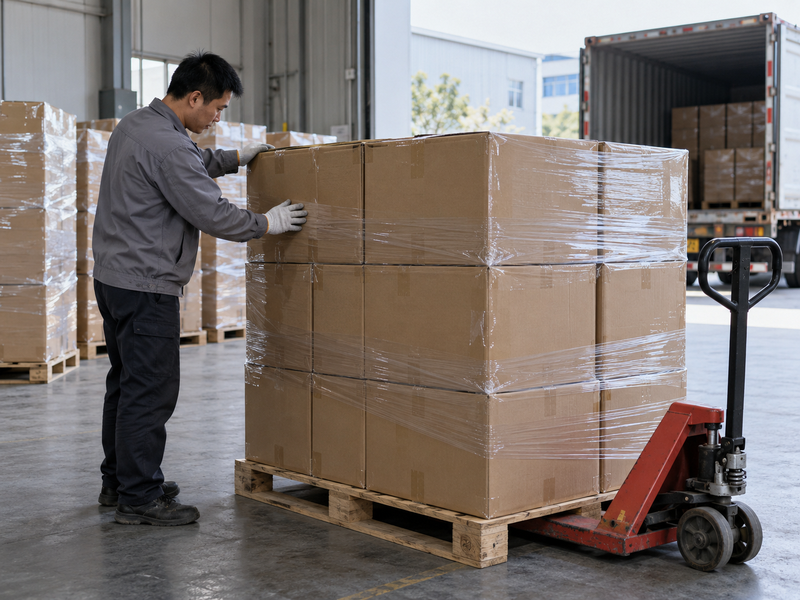
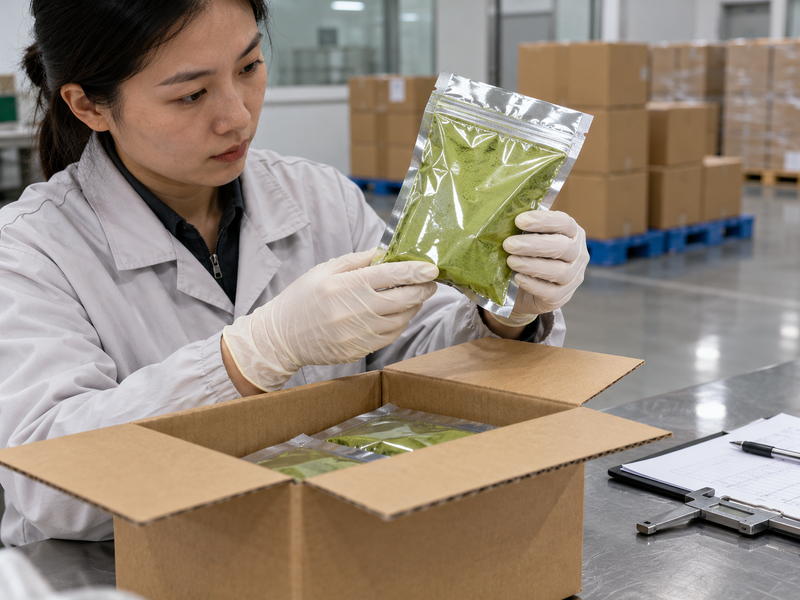
Set the needed date at the café warehouse or manufacturer’s receiving dock. Work backward through shipping, customs, any inspection, domestic transport, and internal quality release. An estimated port arrival is not a service-ready delivery. Assign the person who will count cases, photograph damage, record lot codes, compare labels and documents, and decide whether stock can enter saleable inventory. If a shipment is split, require the seller or logistics provider to identify which lot and quantity travels in each part.
For direct imports, the importer and broker should confirm current procedures using FSSAI’s import page and the relevant customs channels before dispatch. For domestic purchases, ask the distributor about local lead time, stock location, and batch continuity. Do not overpromise a launch based on a supplier’s best-case freight estimate. A buyer can protect its opening menu with a modest local stock buffer, but the size should come from measured use and dated life rather than an arbitrary number of weeks.
| Milestone | Owner | Evidence before launch |
|---|---|---|
| Shipment ready | Supplier | Packed quantity and documents |
| Import and local transit | Importer or provider | Updated release and transport status |
| Warehouse receipt | Buyer | Count, damage and lot record |
| Quality release | Buyer quality lead | Approved product for issue |
10. How can buyers qualify repeat supply?
Reorder the tested product under the same controls
Track matcha used by outlet or product line, cases remaining, supplier lead time, and sell-through against date marks. After the first two deliveries, compare recipe performance, pack integrity, document accuracy, and on-time usable receipt. If the powder changes unexpectedly, keep samples and lot records, then investigate before switching every store. A supplier should explain any product or packaging change before the next order is produced. A distributor should be able to identify the source SKU and lot that its next shipment will carry.
Build a realistic reorder point and a qualified backup option if demand justifies it. Re-test a backup in the approved recipe; do not assume any matcha powder can replace another at the same dose. Buyers contacting Matcha Village can send the intended application, tested recipe, preferred pack size, destination, and estimated first and repeat quantities for a specific quotation. The India-side buyer should independently confirm its current import and labeling responsibilities before committing to printed packs or a fixed launch date.
Our matcha supplier onboarding guide offers a checklist for keeping sample approvals and supplier records together.
FAQ
Q1. Is buying from a local distributor always cheaper than direct import? No. Compare the same SKU and pack using delivered, usable cost plus the work each route assigns to the buyer.
Q2. Does every café need to import matcha itself? No. A café can buy domestically from a distributor; direct import is a separate commercial decision with different responsibilities.
Q3. Where should a buyer check current Indian import steps? Start with FSSAI, DGFT, and ICEGATE, then ask its importer and broker to apply current rules to the exact product.
Q4. Can a buyer use one sample result for lattes and baked goods? Test both applications. Heat, other ingredients, and dose can change the result.
Q5. Which cost figure helps a café most? Calculate matcha cost per approved serving and compare it with the full recipe and expected waste.
Make the first order an evidence-based trial
Test two or three coded powders in the menu that will sell, confirm the importer or distributor route, and build one landed-cost sheet with current official checks. Order the SKU that passed, keep its sample and lot record, and review the first delivery before raising volume. That sequence gives the next purchase a known product, cost basis, and receiving process.